

Table of Contents
Introduction
Aquaculture probiotics are used to guide microbial activity in ponds, tanks, and recirculating systems. They do not replace aeration, feed control, water testing, or biosecurity. Their practical role is to support a more stable microbial community when farm managers apply them under suitable environmental conditions.
For fish and shrimp producers, the central question is not whether a product contains beneficial bacteria, but whether the organisms remain viable and match the farm’s real problem. This guide explains how aquaculture probiotics work, where they fit in pond management, and how to evaluate results without relying on exaggerated claims.
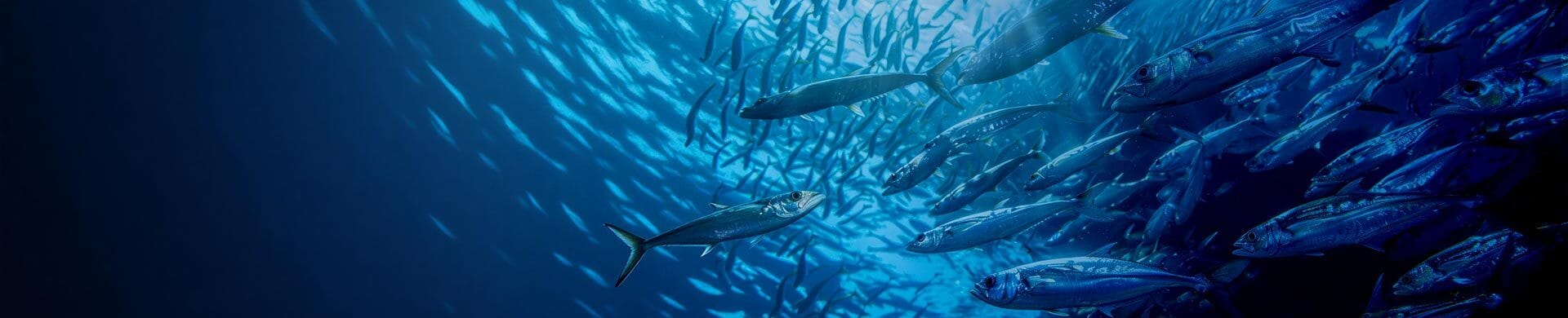
This production setting shows why aquaculture probiotics must be considered within the whole pond system. Feed input, oxygen, temperature, animals, sediment, and microorganisms interact continuously, so microbial products work best alongside disciplined water management.
How Aquaculture Probiotics Work
Pond water contains bacteria, algae, protozoa, and other microorganisms. Aquaculture probiotics introduce selected microbial strains intended to compete for nutrients, transform organic matter, or support microbial balance. Common groups include Bacillus species and lactic acid bacteria, although the appropriate organism depends on whether the product is designed for water, bottom sediment, or feed application.
A spore-forming organism can be useful in products that must remain stable during storage and transport. Other strains may be selected for enzyme production or for activity within a particular salinity and temperature range. The label should identify the organism group, viable count, storage conditions, and application route. If those details are missing, performance is difficult to assess.
Some strains produce enzymes that contribute to the breakdown of proteins, carbohydrates, and other feed residues. This does not make accumulated sludge disappear. It may support biological processing of organic matter when the pond has adequate oxygen and the feeding program is controlled.
Water Quality Problems They Can Help Manage
Aquaculture probiotics are most useful as part of routine prevention. They should not be treated as an emergency cure for severe oxygen depletion, sudden toxicity, or active disease. Those conditions require immediate testing, diagnosis, and corrective management.
| Farm observation | Possible factor | Practical response |
|---|---|---|
| Increasing organic sludge | Uneaten feed, feces, dead algae | Review feeding, improve aeration, remove solids, then consider a bottom-focused probiotic |
| Unstable water color | Rapid shifts in algae and nutrients | Test pH and alkalinity and reduce abrupt nutrient changes |
| Persistent bottom odor | Anaerobic decomposition | Increase oxygen transfer and assess sediment before microbial application |
| Variable animal activity | Water, nutrition, handling, or health challenge | Check dissolved oxygen and core water parameters first |
The table highlights an important point: a probiotic decision should follow observation and testing. Dissolved oxygen, pH, temperature, alkalinity, ammonia-related nitrogen, nitrite, salinity, and transparency provide context. A single reading rarely explains the entire pond.
How to Select a Suitable Product
Selection begins with intended use. Water-conditioning products, bottom-modifying products, feed probiotics, and anti-stress products are not interchangeable. A farm seeking to manage sediment should evaluate an aquaculture bottom-modifying probiotic rather than simply increasing the dose of a feed product.
- Confirm the stated microbial species or group, viable count, and expiration information.
- Match the route to the problem: feed, water column, or bottom sediment.
- Check recommended temperature, salinity, pH, and oxygen conditions.
- Protect the package from moisture, heat, and direct sunlight.
- Ask how viability is verified through the stated shelf life.
The viable count matters only if organisms remain alive until application. Storage in a hot or humid area can reduce viability. Aquaculture probiotics should therefore be stored exactly as directed, and opened containers should be closed promptly.

Reliable microbial production depends on strain selection, controlled fermentation, stabilization, and quality testing. Those steps explain why product documentation deserves as much attention as application rate.
Practical Application in Ponds
Before applying aquaculture probiotics, check dissolved oxygen and review the previous day’s feeding, weather, rainfall, and animal behavior. Avoid adding an oxygen-demanding microbial preparation during a low-oxygen event. If activation or dilution is recommended, use clean equipment and follow the written procedure.
Apply the product when water conditions are within the recommended range and there is enough time to observe the pond afterward. Distribute water-applied aquaculture probiotics evenly. For bottom products, focus on areas where organic matter accumulates, including feeding zones and low-flow corners, while maintaining aeration.
Disinfectants and some water treatments can reduce viable microbial counts. Do not apply a probiotic immediately before or after disinfecting unless the instructions allow it. Keep a written interval between treatments and record actual pond conditions at each application.
Monitoring Results and Correcting Problems
A controlled farm trial is more informative than changing the entire operation at once. Select comparable ponds, keep feed and aeration practices consistent, and record baseline conditions. Monitor water parameters, feed intake, animal behavior, visible waste accumulation, and survival trends over a meaningful period.
- Record product name, lot number, storage location, dose, time, and method.
- Measure water parameters at consistent times because daily cycles change readings.
- Document weather, rainfall, water exchange, and major feed changes.
- Compare trends rather than judging aquaculture probiotics from one day.
- Stop and investigate if oxygen, behavior, or mortality changes suddenly.
If expected results do not appear, check viability, storage history, timing, oxygen, organic load, and treatment compatibility. Increasing the amount without identifying the limiting factor may add biological oxygen demand without improving the pond.
How Probiotics Fit a Wider Biosecurity Plan
Probiotics are not vaccines, antibiotics, or disinfectants. They cannot compensate for contaminated equipment, poor-quality seedstock, uncontrolled visitors, or movement of water between units. The Food and Agriculture Organization aquaculture resources support an integrated management approach.
A sound plan combines source-water assessment, quarantine where appropriate, cleaning and disinfection, feed management, mortality handling, water monitoring, and aquatic-animal-health support. Within that plan, aquaculture probiotics may help maintain routine microbial conditions and reduce pressure created by avoidable organic waste.
Conclusion
Aquaculture probiotics can support pond-water and sediment management when the strain, route, and environmental conditions are correctly matched. The strongest programs begin with testing, oxygen control, sensible feeding, and clear records. Use probiotics as a measured biological tool, evaluate trends across time, and correct the farm conditions that determine whether beneficial organisms can function.
FAQ
What are aquaculture probiotics?
They are selected live microorganisms used in feed, water, or sediment to support microbial balance, organic-matter processing, digestion, or routine environmental management.
Can aquaculture probiotics replace aeration?
No. Microbial activity consumes oxygen, so adequate aeration remains essential. A probiotic should never substitute for correcting low dissolved oxygen.
When should aquaculture probiotics be applied?
Apply them when oxygen, temperature, pH, and salinity are within the recommended range. Avoid severe low-oxygen events and incompatible disinfectants.
How quickly should results appear?
Timing depends on strain, product purpose, pond conditions, and organic load. Evaluate trends instead of expecting an instant change.
How should aquaculture probiotics be stored?
Follow the label and protect products from heat, moisture, and sunlight. Keep packages sealed and observe the stated storage conditions.