

Table of Contents
Introduction

As summer arrives with frequent heavy rainfall, many regions are entering the peak flood season. The combination of persistent high temperatures and torrential rains creates extreme weather challenges for livestock farming — heat stress, pathogen proliferation, feed mold, and flood damage pose multiple threats to animal health and farm profitability. Therefore, farms must build a systematic defense system focusing on environmental control and intestinal health protection.
Summer and rainy season management is not only about responding to visible problems after they occur. It is more important to identify risk points in advance and reduce their impact through daily prevention. For livestock farms, poultry farms, and aquaculture operations, stable production depends on both a clean external environment and a strong internal defense system.
Part One: Securing the Farm Environment
Preventing Heat Stress — Manage Temperature, Humidity, Ventilation & Water
High temperatures and humidity significantly reduce feed intake, immunity, and growth performance. When animals experience heat stress for a long time, they may eat less, grow more slowly, become more sensitive to disease, and show unstable production performance. Four key factors must be managed simultaneously:
- Temperature & Humidity: Use fans, cooling pads, shade nets, and sprinklers during peak heat. These cooling measures help reduce the heat load inside barns, poultry houses, and aquaculture facilities.
- Ventilation: Ensure adequate airflow to prevent heat buildup. Good ventilation can remove hot air, moisture, harmful gases, and dust, creating a more comfortable environment for animals.
- Stocking Density: Avoid overcrowding to reduce heat stress accumulation. Lower density helps animals access air, water, and feed more easily, especially during continuous high-temperature periods.
- Water Supply: Provide clean, cool drinking water at all times. Add electrolyte vitamins to water to relieve heat stress and help animals maintain normal physiological balance.
In summer management, temperature control should not be separated from humidity control. High humidity makes it harder for animals to dissipate heat, so ventilation and cooling equipment should be checked frequently. Drinking water pipelines and tanks should also be cleaned regularly to prevent bacterial growth in hot weather.
Controlling Flies, Mosquitoes & Environmental Pollution
Hot weather accelerates manure decomposition and fly breeding, which spread pathogens. If manure, sewage, feed residues, and dead corners in the environment are not cleaned in time, the farm can quickly become a source of disease pressure. Key measures include:
- Daily cleaning of pens and timely manure removal with sealed treatment.
- Rotating different types of disinfectants for thorough sanitation of pens, equipment, and surroundings.
- Sealing gaps in doors and windows, installing bird nets, and regular pest control, including rodents, flies, and mosquitoes.
Environmental sanitation is one of the first lines of defense in summer livestock management. Daily cleaning reduces the breeding sites of flies and mosquitoes, while proper disinfection helps lower the number of harmful microorganisms in the environment. At the same time, pest control should be carried out regularly rather than only when flies, mosquitoes, or rodents become obvious.
A clean farm environment also supports intestinal health. When external pathogen pressure is lower, animals face less digestive and immune stress. This makes later nutritional support and microbial regulation more effective.
Preventing Heavy Rain, Power Outages & Equipment Failure
“Summer farms fear power cuts most; rainy days fear water backflow most.”
Heavy rain, flooding, sudden power outages, and equipment failure can quickly affect animal health and farm safety. This is especially important for aquaculture farms, intensive livestock farms, and poultry houses that rely on ventilation, water pumps, feeding systems, or oxygen supply equipment.
- Lower pond water levels and clear drainage ditches before heavy rain.
- Inspect and maintain aerators, feeders, pumps, and backup generators in advance.
- Stock emergency supplies such as oxygen enhancers, quicklime, and anti-escape nets.
- Test generators and ensure fuel reserves for at least 48 hours of operation.
Before heavy rain arrives, farms should focus on prevention rather than emergency repair. Drainage ditches should be cleared before storms, low-lying areas should be checked, and water backflow risks should be reduced in advance. Backup equipment should not only be available but also tested to ensure it can start immediately when needed.
For aquaculture farms, low oxygen after rain is a major risk. Aerators and oxygen enhancers should be prepared in advance. For livestock and poultry farms, power outages can stop fans, cooling systems, drinking water systems, and feeding equipment, so generator preparation is essential during hot and rainy periods.
Ensuring Vaccine Efficacy — Cold Chain Management
High temperatures can compromise vaccine transport, storage, and animal immune response. If vaccines are exposed to improper temperatures, their effectiveness may be reduced, and the expected immune protection may not be achieved.
- Strictly maintain cold chain conditions during vaccine transport and storage.
- Complete key vaccinations according to schedule; prioritize high-efficacy multivalent vaccines.
- Provide stress prevention measures before temperature drops, grouping changes, or feed transitions.
- Conduct seasonal preventive health care under veterinary guidance.
Cold chain management is especially important in summer. Vaccines should be stored and transported according to standard requirements, and unnecessary exposure to high temperature should be avoided. During periods of heat stress, animals may also have weaker immune response, so vaccination should be combined with stress reduction and daily health management.
Before stressful events such as cooling changes, group transfer, feed replacement, or weather fluctuation, farms should prepare preventive measures in advance. Scientific vaccination and seasonal health care can help reduce disease risk and improve overall farm stability.
Summer & Rainy Season Farm Management Checklist
| Management Area | Main Risk | Key Preventive Measures | Expected Benefit |
|---|---|---|---|
| Heat Stress Control | High temperature and humidity may reduce feed intake, immunity, and growth performance. | Use fans, cooling pads, shade nets, sprinklers, proper ventilation, lower stocking density, and clean cool drinking water with electrolyte vitamins when needed. | Helps reduce heat stress, maintain feed intake, and support stable animal performance. |
| Sanitation & Pest Control | Manure decomposition, flies, mosquitoes, rodents, and environmental pollution may spread pathogens. | Clean pens daily, remove manure in time, rotate disinfectants, seal gaps, install bird nets, and conduct regular pest control. | Reduces pathogen pressure and lowers the risk of disease transmission. |
| Heavy Rain & Equipment Safety | Heavy rain may cause water backflow, flooding, low oxygen, and equipment failure. | Clear drainage ditches, lower pond water levels, inspect aerators, pumps, feeders, and backup generators, and prepare emergency supplies. | Improves emergency response and helps prevent sudden production losses. |
| Vaccine Cold Chain | High temperatures may affect vaccine storage, transport, and animal immune response. | Maintain cold chain conditions, follow vaccination schedules, use suitable multivalent vaccines, and manage stress before feed changes or grouping. | Helps ensure vaccine efficacy and supports seasonal disease prevention. |
| Feed & Water Control | Moist feed, mold, mycotoxins, and contaminated water may trigger intestinal problems. | Store feed in dry and ventilated warehouses, follow first-in-first-out management, test for mycotoxins, and disinfect drinking water systems. | Reduces digestive disease risks and supports better feed utilization. |
| Internal Protection | Heat, humidity, and rainy weather may disrupt beneficial gut flora and damage intestinal barriers. | Use full-cycle oral probiotics or microecological products through drinking water, feed, or bait according to animal type. | Supports gut balance, improves stress resistance, and helps reduce digestive disease outbreaks. |
Part Two: Building Internal Immunity
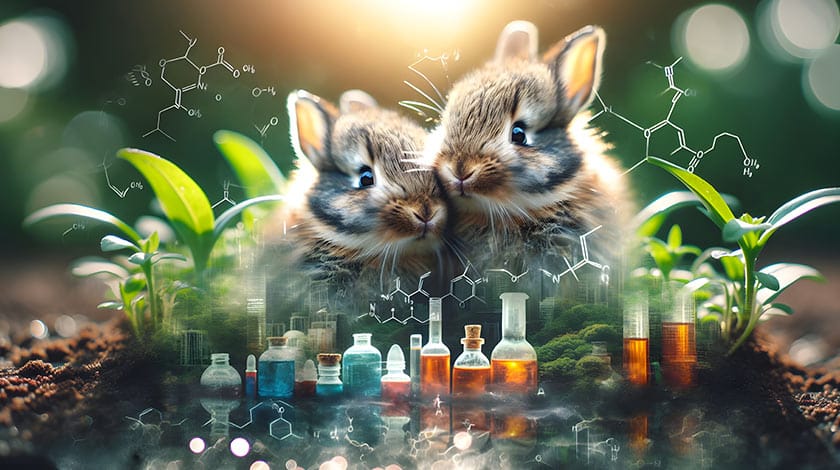
Understanding Complex Intestinal Diseases in Summer
During summer and rainy seasons, livestock often suffer from complex intestinal diseases caused by four combined factors:
- Heat stress damages the intestinal mucosal barrier.
- Rainwater runoff contaminates drinking water sources.
- Moist feed promotes mold growth and mycotoxin production.
- Environmental pathogens continuously invade the body.
As a result, animals may experience reduced feed intake, watery diarrhea, loose stools, poor feed conversion ratio (FCR), and stunted growth.
The solution: Daily oral administration of probiotics to prevent and fortify intestinal health — a low-cost strategy to effectively block large-scale digestive disease outbreaks.
In summer and rainy seasons, intestinal problems are often not caused by a single factor. Heat stress, contaminated water, moldy feed, and environmental pathogens can work together, making digestive diseases more complex and harder to control. Therefore, gut health protection should begin before obvious symptoms appear.
Strictly Control Feed & Water Quality
Feed and water are the main entrance points for intestinal health risks. During hot and rainy periods, feed is more likely to absorb moisture, while drinking water sources are more likely to be contaminated by rainwater runoff, bacteria, mold, and parasite eggs.
- Inspect all incoming feed ingredients; store feed in a dry, ventilated warehouse.
- Follow “first in, first out” (FIFO) inventory management.
- Regularly test feed for mycotoxins; never feed moldy materials.
- Switch to closed-loop drinking water systems. Clean and disinfect open water troughs daily. Well water and rainwater must be filtered and disinfected before use to prevent bacteria, mold, and parasite eggs from entering the digestive tract.
Strict control of feed and water quality can reduce the base risk of intestinal disease. When fewer harmful substances enter the digestive tract, animals are less likely to suffer from diarrhea, loose stools, poor feed utilization, and growth slowdown.
Feed storage should focus on ventilation, moisture prevention, and regular inspection. Water management should focus on cleaning, disinfection, filtration, and source control. These measures may seem basic, but they are essential for preventing intestinal disease during summer and rainy seasons.
Full-Cycle Oral Probiotic Program
High temperature and humidity disrupt the beneficial gut microbiome of livestock, poultry, and aquatic animals. Once the intestinal barrier is compromised, pathogens such as E. coli, Salmonella, Vibrio, and Aeromonas hydrophila can easily invade, causing diarrhea, white stool, rotting flesh, and secondary infections.
Establish a daily probiotic feeding program:
- Pigs & Poultry: Add compound probiotics to drinking water or feed daily to repair damaged intestinal mucosa, suppress harmful bacteria, and prevent bacterial digestive diseases from within.
- Cattle, Sheep & Goats (Ruminants): Administer specialized probiotics regularly to balance gut flora, relieve heat and rain stress, and prevent rumen disorders, bloating, and diarrhea.
- Fish, Shrimp & Crab (Aquaculture): Mix aquatic probiotics into feed to stabilize gut flora, improve intestinal health, inhibit Vibrio, enhance low-oxygen tolerance, and strengthen resistance to rainy season stress.
A full-cycle oral probiotic program should be used as part of routine management, not only after disease appears. During continuous high temperature, high humidity, and rainy weather, animals need steady intestinal support to maintain gut flora balance and stress resistance.
For farms that need microbial support in daily feeding programs, animal microecology products can be naturally combined with feed, drinking water, or bait management to support intestinal balance, digestion, and seasonal disease prevention.
Benefits of Full-Cycle Probiotic Use
Full-cycle oral probiotic use can help farms:
- Reduce antibiotic use
- Regulate gut health and strengthen immunity
- Alleviate stress and metabolic disorders
- Improve feed absorption and growth rate
- Work synergistically with probiotic manure treatment products for inside-outside integrated protection
Probiotics and microecological support are not only used to improve digestion. They also help animals maintain a more stable internal environment when external stress is unavoidable. When intestinal health is stronger, animals can absorb nutrients more efficiently, maintain better growth performance, and reduce the risk of large-scale digestive problems.
At the same time, probiotic manure treatment products and environmental improvement products can work together with oral probiotic programs. This creates an integrated protection model: internal regulation supports the digestive tract, while external control reduces pathogen pressure in the farm environment.
Core Philosophy: Prevention Over Treatment
“When environmental stress is unavoidable, the key is to enhance internal immunity and stress resistance through oral probiotics and nutritional support.”
By prioritizing gut health and implementing precision management, farms can:
- Reduce medication costs
- Improve FCR (feed conversion ratio) and egg/meat production efficiency
- Move toward green, efficient, and sustainable livestock farming
The core of summer intestinal disease prevention is active protection. Since high temperature, humidity, rainstorms, and environmental stress cannot be fully avoided, farms should focus on strengthening the animal’s internal resistance before disease pressure increases.
This means paying attention to gut health, controlling feed and water quality, using probiotics reasonably, and maintaining a clean farm environment. Prevention is more stable and more effective than waiting until disease spreads across the herd, flock, or pond.
Final Thoughts
Farming is a heavy responsibility. Only by combining internal regulation (probiotics & nutrition) with external control (environment & sanitation) can we truly achieve:
- Disease prevention before outbreak
- Early detection and timely treatment
- Maximized farm profitability
- Happy, healthy livestock through summer and beyond
Summer and rainy season livestock management requires continuous attention. Environmental control helps reduce external disease pressure, while internal regulation helps animals build stronger gut health, immunity, and stress resistance.
Only when external control and internal regulation work together can farms better protect animal health, maintain production stability, and help livestock, poultry, and aquatic animals pass through summer and rainy seasons safely.
Conclusion
Summer and rainy seasons bring multiple challenges to livestock, poultry, and aquaculture farming, including heat stress, pathogen growth, feed mold, water contamination, power outages, and intestinal disease risks. To maintain animal health and production stability, farms should combine external control with internal regulation. Environmental management, sanitation, drainage, equipment inspection, vaccine cold chain protection, feed and water quality control, and full-cycle probiotic support all work together to reduce disease pressure, improve stress resistance, and help animals pass through hot and rainy periods safely.
FAQ
Why is livestock management more difficult in summer and rainy seasons?
Summer and rainy seasons often bring high temperature, humidity, heavy rainfall, and sudden weather changes. These conditions can increase heat stress, speed up manure fermentation, promote pathogen growth, contaminate drinking water, and cause feed mold. Without proper management, animals may show lower feed intake, weaker immunity, poor growth, diarrhea, and unstable production performance.
How can farms prevent heat stress during hot weather?
Farms should manage temperature, humidity, ventilation, and drinking water at the same time. Fans, cooling pads, shade nets, and sprinklers can help reduce heat load. Stocking density should be controlled to avoid overcrowding. Clean and cool drinking water should always be available, and electrolyte vitamins may be added to help animals maintain normal physiological balance during high-temperature periods.
Why are feed and water quality important during rainy seasons?
Feed and water are the main entry points for intestinal health risks. Moist feed can promote mold growth and mycotoxin production, while rainwater or poorly managed water sources may carry bacteria, mold, and parasite eggs. Farms should store feed in dry, ventilated warehouses, follow first-in-first-out management, test for mycotoxins, and filter or disinfect water before use.
How do probiotics support animals in summer and rainy seasons?
Probiotics help maintain beneficial gut flora and support intestinal balance when animals face heat, humidity, feed changes, or rainy-season stress. A full-cycle probiotic program may help repair intestinal mucosa, suppress harmful bacteria, improve feed absorption, strengthen immunity, and reduce the risk of digestive diseases such as diarrhea, loose stools, and poor feed conversion.
What is the key principle of summer and rainy season disease prevention?
The key principle is prevention over treatment. Since heat, humidity, rainfall, and environmental stress are difficult to avoid, farms should strengthen both external control and internal immunity before problems become serious. Good sanitation, drainage, equipment inspection, vaccine cold chain management, feed and water safety, and probiotic support can help reduce risks and protect farm profitability.