

Table of Contents
Introduction

Nutrition pets is an awkward keyword, but the intent behind it is clear: owners and product buyers want practical guidance on feeding dogs and cats in a way that supports digestion, stool quality, coat condition, and long-term wellness. The safest answer begins with balanced diets and veterinary guidance, not trendy claims.
A good nutrition pets plan respects species, life stage, body condition, activity, and health history. Companion animals are not small livestock, and they should not be fed by guesswork. Gut-support products may help in selected situations, but the foundation must be a suitable complete diet and clean water.
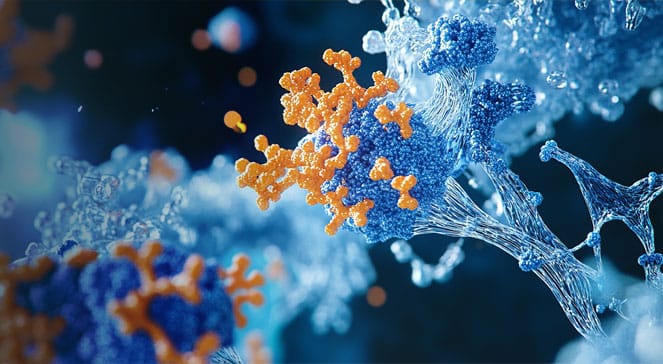
This image is relevant because nutrition pets decisions often include microbial support, but that support should sit inside a balanced feeding plan rather than replace appropriate veterinary nutrition advice.
Understand the Nutrition Pets Search Intent
People searching nutrition pets may be comparing food choices, digestive supplements, probiotics, or daily feeding routines. The most useful content answers how to evaluate a plan safely. It should avoid miracle language and focus on observable signs: appetite, stool quality, energy, skin, coat, and weight trend.
For businesses serving pet nutrition channels, nutrition pets content should also separate companion animal needs from livestock production goals. Pets are evaluated by wellness, comfort, and life quality, not by production performance.
Match Diet to Life Stage and Condition
Puppies, kittens, adults, seniors, pregnant animals, and animals with medical conditions have different nutritional needs. A diet that fits one stage may be inappropriate for another. Body condition scoring is also important because overfeeding and underfeeding can both create problems.
| Pet factor | What to review | Practical reason |
| Life stage | Growth, adult, senior, reproduction | Needs change with age and condition |
| Body condition | Rib feel, waist, weight trend | Prevents silent overfeeding or underfeeding |
| Digestive signs | Stool, gas, appetite, vomiting episodes | Shows whether the plan is tolerated |
| Water intake | Access and normal drinking pattern | Hydration supports digestion and comfort |
| Product fit | Ingredients and intended use | Supplements should match a real need |
Nutrition pets planning becomes stronger when the team records these basic signals. Without records, decisions often drift toward marketing language instead of animal needs.
Support Gut Health With Practical Controls
Gut health support may include gradual diet transitions, appropriate fiber, consistent feeding times, clean bowls, and selected microbial products. Probiotics should be chosen for the target species and used according to instructions. More is not automatically better.
Baolai-Leelai focuses on microbial technology for animal health systems, and general product information can be reviewed through the products page. For nutrition pets applications, the key is to match any microbial concept with companion animal safety requirements and professional advice.
This second image supports the nutrition pets topic by showing the broader animal probiotic context. Companion animal use still requires product suitability checks, careful labeling review, and responsible positioning.
Watch Daily Warning Signs
A feeding plan should be reviewed if a pet shows repeated vomiting, persistent diarrhea, sudden appetite change, unexplained weight loss, excessive thirst, poor coat quality, or unusual lethargy. These signs should not be managed only with supplements.
Nutrition pets decisions are safest when owners know when to stop experimenting and ask a veterinarian. Digestive support products can be useful, but they cannot diagnose disease or correct an unsuitable diet.
Build a Safe Nutrition Plan
The WSAVA Global Nutrition Guidelines provide a useful framework for thinking about diet evaluation and veterinary nutrition conversations. They reinforce a simple principle: feeding choices should be based on animal needs and credible assessment.
- Use a complete diet appropriate for the pet’s species and life stage.
- Make diet changes gradually unless a veterinarian advises otherwise.
- Track stool, appetite, weight, coat, and energy.
- Use supplements only when they have a clear purpose.
- Seek veterinary input for persistent or severe signs.
Nutrition pets programs should feel practical, not complicated. The owner or channel manager needs a repeatable way to evaluate whether the animal is comfortable, eating normally, and maintaining a healthy condition.
Conclusion
Nutrition pets work should begin with balanced food, life-stage fit, clean water, and careful observation. Gut-support products may have a role, but they should be selected responsibly and used with realistic expectations. The best plan is steady, documented, and ready to involve a veterinarian when signs suggest a deeper problem.
FAQ
What does nutrition pets mean?
Nutrition pets refers to feeding and gut-support decisions for companion animals. It includes diet quality, life stage, body condition, hydration, stool quality, and when to seek veterinary guidance.
Are probiotics useful for pets?
Probiotics may support some nutrition pets plans when they are suitable for the species and situation. They should not replace balanced food, clean water, or care for ongoing illness.
What signs should owners track?
Track appetite, stool quality, weight, coat, energy, vomiting, and water intake. Nutrition pets decisions become safer when changes are recorded instead of judged by memory alone.
Can pets eat livestock feed additives?
No. Nutrition pets products must be appropriate for companion animals. Livestock feed additives should not be assumed safe for dogs or cats without professional confirmation.
When should a vet be involved?
Ask a veterinarian if diarrhea, vomiting, appetite loss, weight change, or lethargy persists. Nutrition pets support is helpful only when medical problems are not being ignored.