

Table of Contents
Introduction
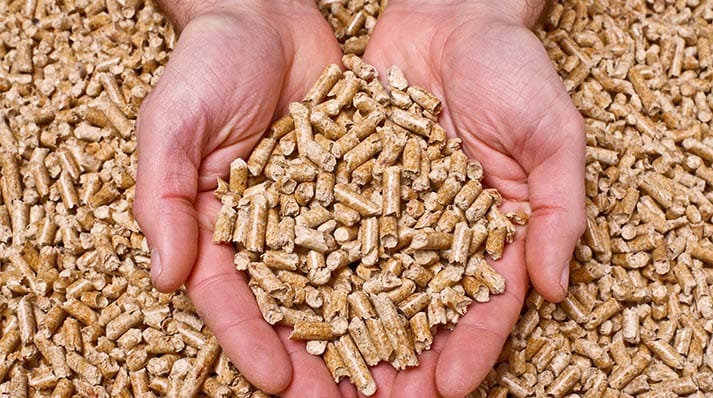
If you work in pet food, pet treats, supplements, or functional nutrition products, you may have searched for adm pet nutrition while comparing ingredient systems, formulation support, or B2B nutrition partners. The term does not refer to one single ingredient. It describes ADM’s broader pet nutrition business, which combines ingredients, formulation capabilities, market insight, and product development support for brands that want to create better pet products.
In simple terms, ADM Pet Nutrition is about helping pet product companies build food, treats, supplements, and wellness-focused formulas that meet both nutritional needs and consumer expectations. For a manufacturer, it is not only about buying raw materials. It is about finding ingredient systems that can support taste, digestibility, texture, function, stability, and label positioning at the same time.
The Simple Definition of ADM Pet Nutrition
ADM Pet Nutrition can be understood as a pet product development and ingredient solution platform. It supports companies that produce or develop pet food, snacks, nutritional supplements, and other companion animal wellness products.
The value of adm pet nutrition comes from its combination of several capabilities:
Ingredient supply for pet food and treats
Functional ingredients for wellness-oriented formulas
Microbiome-related solutions such as prebiotics, probiotics, postbiotics, and enzymes
Taste, color, aroma, and palatability support
Formulation knowledge for different product formats
Market insight for pet nutrition innovation
For pet product brands, this matters because a successful formula is rarely built from one ingredient alone. A dry food formula, soft chew, functional treat, powder supplement, or liquid product may require different ingredient behavior, processing stability, sensory performance, and nutritional logic.
Why ADM Pet Nutrition Matters in Modern Pet Product Development
Pet nutrition has moved beyond basic feeding. Many buyers now look for products that support daily wellness, digestive balance, skin and coat condition, vitality, weight management, and age-related needs. This shift has changed how pet food manufacturers evaluate ingredients.
In the broader pet food category, brands must balance nutrition, safety, taste, texture, convenience, and label appeal. ADM Pet Nutrition is relevant because it helps connect those requirements into product development decisions.
For example, a pet treat is no longer just a reward. It may also carry a digestive health claim, include fiber, use a recognizable protein source, or deliver functional ingredients in a stable format. A supplement is no longer only about adding nutrients. It must also be easy to feed, palatable, consistent, and suitable for daily use.
That is why adm pet nutrition has search value for manufacturers, product managers, ingredient buyers, and brand owners. They are not only asking what ADM offers. They are also asking how pet nutrition solutions can help them compete in a more demanding market.
Core Product Areas Covered by ADM Pet Nutrition
ADM Pet Nutrition is connected with several major pet product categories. Each category has different formulation priorities.
| Product Area | Main Formulation Focus | Why It Matters for Brands |
|---|---|---|
| Dry and wet pet food | Balanced nutrition, ingredient quality, palatability, processing performance | Forms the daily diet and must meet consistent nutritional expectations |
| Pet treats | Taste, texture, shape, indulgence, functional positioning | Helps brands combine reward value with wellness-oriented features |
| Pet supplements | Active ingredients, dosage consistency, stability, delivery format | Supports targeted wellness needs in convenient product forms |
| Functional ingredients | Digestive health, fiber, microbiome support, skin and coat, vitality | Adds value beyond basic nutrition and supports product differentiation |
| Sensory systems | Flavor, aroma, color, appearance, mouthfeel | Improves acceptance and repeat use by pets and pet owners |
This table shows why adm pet nutrition should be viewed as a system rather than a single product. A strong pet nutrition solution must consider product format, target species, ingredient compatibility, processing method, shelf stability, and consumer expectations together.
Key Ingredient Categories Behind ADM Pet Nutrition

ADM’s public pet nutrition information highlights several ingredient categories commonly used in pet product development. These categories help explain what adm pet nutrition means in practical formulation work.
Macronutrient systems are the foundation. Proteins, carbohydrates, and fats help shape nutrition, texture, energy value, and processing behavior. In pet food and treats, the source and quality of these ingredients influence both product performance and consumer perception.
Functional wellness ingredients help brands move into benefit-led positioning. These may include fiber systems, wellness ingredients, and other components designed to support specific product goals.
Microbiome-related ingredients are increasingly important. Prebiotics, probiotics, postbiotics, and enzymes are often discussed in digestive health and gut balance concepts. For companies working in animal microbial nutrition, ingredient strategy may also connect with broader animal microecology solutions that focus on microbial balance and functional feed support.
Sensory ingredients also matter. Pet owners may read labels, but pets decide whether to eat the product. Flavor, aroma, color, and texture can determine whether a formula performs well after launch.
ADM Pet Nutrition and the Shift Toward Functional Pet Wellness
One reason adm pet nutrition is becoming a valuable keyword is the rise of functional pet wellness. Many pet product developers are now thinking beyond standard nutrition and asking more specific questions:
Can this formula support digestive comfort?
Can the product help maintain skin and coat condition?
Can a treat deliver functional value without losing palatability?
Can a supplement format remain stable during storage?
Can the ingredient list support a clean and trustworthy brand story?
This is where pet nutrition becomes more complex. Functional positioning must be supported by the right ingredients, realistic claims, proper formulation, and responsible communication. A product should not make unsupported health promises. Instead, it should be built around clear nutritional logic, quality control, and transparent ingredient selection.
For B2B buyers, this means the best pet nutrition solution is not always the most complicated one. It is the one that fits the product format, target benefit, manufacturing process, and brand promise.
How ADM Pet Nutrition Supports B2B Pet Food Manufacturers
For manufacturers and brand owners, ADM Pet Nutrition is valuable because it supports several stages of product development.
At the concept stage, pet brands need to understand what type of product they want to create: complete food, treat, supplement, topper, chew, powder, or functional ingredient blend. Each format has different technical requirements.
At the ingredient selection stage, brands must compare nutrition, functionality, processing behavior, sensory performance, and supply consistency. An ingredient may look attractive on paper but still fail if it affects texture, taste, stability, or production efficiency.
At the formulation stage, the challenge becomes balance. Pet products must satisfy nutritional goals while remaining manufacturable and acceptable to pets. This is where formulation experience matters.
At the quality and trust stage, brands need documentation, testing, safety systems, and transparent communication. B2B buyers evaluating pet nutrition suppliers often review technical capacity, R&D investment, and production controls. A company’s scientific research strength can become an important factor when comparing microbial nutrition and functional ingredient partners.
ADM Pet Nutrition vs. Traditional Pet Food Ingredient Supply
Traditional pet food ingredient supply often focuses on individual materials. A buyer may purchase protein, fiber, fat, flavor, or additive ingredients separately. That model can work, but it may leave the manufacturer responsible for connecting all technical details.
ADM Pet Nutrition represents a more integrated approach. Instead of looking only at separate ingredients, it supports product development from a broader formulation and market perspective.
The difference can be summarized like this:
Traditional ingredient supply asks, “What ingredient do you need?”
ADM Pet Nutrition is closer to asking, “What product are you trying to build, what function should it deliver, and what ingredient system can help you get there?”
This distinction matters because pet product development is highly connected. A change in protein source can affect flavor. A functional ingredient can influence texture. A probiotic or enzyme system may require careful stability consideration. A color or aroma choice may change consumer perception. A successful product must bring these details together.
What Buyers Should Evaluate Before Choosing Pet Nutrition Solutions
If you are comparing adm pet nutrition with other pet nutrition solutions, do not evaluate only the ingredient list. A stronger decision comes from looking at the full development picture.
Start with product objective. Is the formula designed for daily nutrition, digestive support, skin and coat wellness, weight management, senior pet support, or treat-based enjoyment?
Review the product format. Kibble, wet food, soft chew, powder, tablet, liquid, and baked treat formats all behave differently during processing and storage.
Check ingredient compatibility. Some functional ingredients need careful handling. Others may influence texture, taste, or moisture behavior.
Look at documentation and quality control. Strong suppliers should support traceability, specification control, and technical communication.
Think about the end user. Pet owners want trust and clarity, but pets need acceptance. A product that sounds good but is not eaten consistently will not succeed.
Finally, consider long-term product development. The right pet nutrition partner should help you build not just one formula, but a flexible product pipeline.
Practical Use Cases for ADM Pet Nutrition in Product Development
ADM Pet Nutrition can be relevant across many pet product development scenarios.
A brand developing digestive health treats may look for fiber, microbiome-related ingredients, flavor support, and processing guidance. The goal is not only to add a functional ingredient, but to create a treat that pets enjoy and owners understand.
A supplement company may need help with active ingredient delivery, palatability, and dosage consistency. In this case, format matters as much as the ingredient itself.
A pet food manufacturer may want to improve label appeal while maintaining nutrition and production efficiency. That may involve protein selection, carbohydrate systems, natural positioning, or functional wellness ingredients.
A private label brand may need a faster path from concept to finished product. In that case, formulation support and manufacturing capability can reduce development friction.
These use cases explain why adm pet nutrition attracts both informational and commercial search intent. Some users want to understand the concept. Others are evaluating supplier capability, product categories, or formulation possibilities.
Common Misunderstandings About ADM Pet Nutrition
One common misunderstanding is that ADM Pet Nutrition refers to a single finished pet food product. In reality, it is better understood as a pet nutrition business area that supports multiple product types and ingredient needs.
Another misunderstanding is that functional pet nutrition means adding trendy ingredients without a clear purpose. A better approach is to define the product goal first, then choose ingredients that support that goal in a practical and evidence-informed way.
Some buyers also assume that palatability is separate from nutrition. In pet product development, the two are connected. Even a well-designed formula must be accepted by pets to deliver value.
There is also a risk of overclaiming. Pet nutrition content should avoid medical-style promises unless claims are properly supported and compliant with relevant requirements. Responsible brands should focus on nutrition, wellness support, formulation transparency, and quality.
Conclusion
ADM Pet Nutrition is more than a keyword or a supplier name. It represents a broader approach to pet product development, combining ingredients, functionality, sensory performance, formulation knowledge, and market insight.
For B2B pet food manufacturers, supplement brands, and product developers, adm pet nutrition is worth understanding because modern pet products must do more than fill a bowl. They need to support wellness goals, satisfy pet owner expectations, remain stable in production, and deliver a good feeding experience.
If you are building a pet food, treat, supplement, or functional nutrition product, the most important question is not simply “Which ingredient should I use?” A better question is “What product outcome do I want, and what nutrition system can help me achieve it responsibly?”
FAQ
What is ADM Pet Nutrition?
ADM Pet Nutrition refers to ADM’s pet nutrition business and product development capabilities for pet food, treats, supplements, and wellness-focused formulas. It includes ingredient systems, functional nutrition support, sensory solutions, and formulation expertise for B2B pet product brands.
Is ADM Pet Nutrition only for pet food?
No. ADM Pet Nutrition is not limited to standard pet food. It is also relevant to treats, supplements, functional chews, powders, and other nutrition-related pet products. Its value depends on the product format, target benefit, and formulation requirements.
Why do pet product brands search for adm pet nutrition?
Brands search for adm pet nutrition because they want to understand ingredient options, formulation support, functional wellness trends, and supplier capabilities. The keyword often reflects commercial research intent from manufacturers, brand owners, and product developers.
What ingredients are related to ADM Pet Nutrition?
ADM Pet Nutrition may involve proteins, carbohydrates, fats, fibers, functional wellness ingredients, prebiotics, probiotics, postbiotics, enzymes, flavors, colors, and aroma systems. The right ingredient choice depends on the product goal and processing format.
How should buyers evaluate ADM Pet Nutrition solutions?
Buyers should evaluate product format, ingredient function, documentation, quality control, palatability, processing stability, and long-term product development support. A good pet nutrition solution should fit both technical formulation needs and real market expectations.