

Table of Contents
Poultry nutrition is not only a formulation question. It is a daily management system that connects feed quality, water access, gut comfort, litter condition, temperature, stocking density, and stress control. When one of those points becomes unstable, the bird’s response to the diet can change quickly.
A practical poultry nutrition plan should therefore focus on consistency. The goal is to help birds eat steadily, digest normally, and handle predictable pressure points such as brooding, diet transitions, vaccination periods, heat stress, and movement between houses.
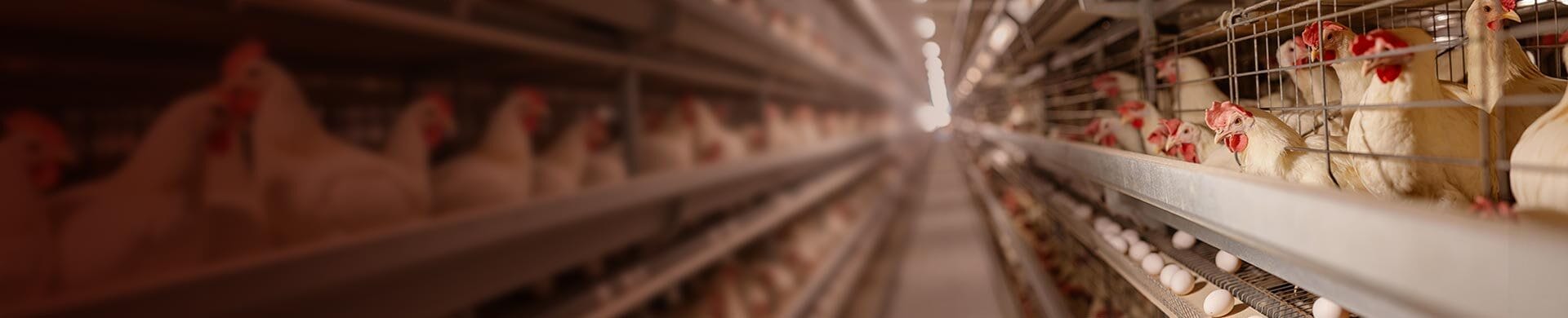
This image is relevant because poultry nutrition programs often include species-specific microbial support, but the product should fit the flock stage and the farm’s real risk period.
Start With Gut Health
The gut is where diet quality becomes flock performance. Poor early gut development, inconsistent intake, or wet litter can create problems that are difficult to correct later. A nutrition plan should support normal digestion from the first days of placement.
Poultry nutrition decisions are easier when the farm team watches behavior, crop fill, droppings, litter moisture, and water use. These practical observations often show trouble before final performance numbers are available.
Control Feed and Water Basics
Feed and water must be reviewed together. Even a well-designed diet will not work well if water lines are dirty, flow is poor, feed is segregating, or storage conditions damage ingredients. Simple checks can protect the value of the ration.
| Control point | What to check | Why it matters |
| Feed storage | Moisture, pests, freshness, bin hygiene | Damaged feed reduces consistency |
| Water lines | Flow, cleanliness, pressure, drinker height | Water drives intake and gut comfort |
| Particle size | Uniformity and segregation | Birds sort feed when texture varies |
| Litter | Moisture and ammonia pressure | Litter reflects gut and house stability |
| Records | Daily intake, mortality, droppings | Records show patterns early |
Poultry nutrition works best when these basics are routine rather than occasional. The strongest additive cannot compensate for water stress or poor feed handling.
Plan Around Stress Periods
Brooding, vaccination, feed changes, weather swings, and high-density conditions can all affect intake and gut balance. These periods deserve advance planning. Waiting until birds show obvious problems usually reduces the room for correction.
A poultry nutrition program should define what support is needed before the stress period begins. That may include ration review, water checks, litter management, or microbial support that fits the expected challenge.

This second image supports the poultry nutrition topic because feed and microbial inputs must be handled consistently if they are expected to support flock-level results.
Use Microbial Support Carefully
Probiotics and other microbial tools may support digestive balance and help birds adapt during sensitive stages. They should be stored correctly, mixed evenly, and selected for poultry use. They should not be described as a replacement for hygiene, vaccination, or veterinary care.
Baolai-Leelai provides poultry-focused options such as poultry nutritional probiotic products for programs where digestive support and flock uniformity are important management goals.
Track Practical Signals
The FAO animal production resources provide useful context on sustainable livestock systems. At farm level, poultry nutrition should be evaluated through records that connect feed, health, and environment.
- Track daily feed and water intake together.
- Review droppings, litter moisture, and ammonia pressure.
- Record diet changes, vaccination dates, and heat events.
- Compare flock uniformity across similar houses.
- Keep veterinary protocols active for disease events.
Poultry nutrition decisions become more reliable when every change is linked to a record. Without that discipline, it is hard to know whether improvement came from feed, environment, weather, or management timing.
Conclusion
Poultry nutrition should be practical, preventive, and record-based. Start with gut health, protect feed and water quality, plan around stress periods, and use microbial support only where it fits the flock. A stable daily routine usually delivers more value than a complicated plan that the farm cannot repeat.
FAQ
What is the core of poultry nutrition?
Poultry nutrition centers on steady intake, gut comfort, water access, feed quality, and stress control. The best plan connects ration design with daily house management.
Can probiotics support poultry nutrition?
Probiotics may support poultry nutrition when they are selected for poultry, stored correctly, and used during a defined stage or risk period. They do not replace hygiene or veterinary care.
What should farms track daily?
Track feed intake, water use, droppings, litter moisture, mortality, flock behavior, and temperature. These poultry nutrition records show problems before final performance data arrives.
Why does water matter so much?
Water affects feed intake and gut comfort. Poultry nutrition can fail when water lines are dirty, flow is weak, or drinker height is wrong, even if the feed formula looks balanced.
When should nutrition be reviewed?
Review poultry nutrition before brooding, feed changes, vaccination, heat stress, or movement. Planning before stress periods is more effective than reacting after intake drops.