

Table of Contents
Introduction
Producers are under pressure to use antimicrobials more carefully, but the practical question is not whether treatment matters. Sick animals still need veterinary diagnosis and appropriate care. The useful question is how a farm can reduce avoidable disease pressure before treatment becomes necessary. That is where probiotics for antibiotic reduction can support a broader prevention plan.
A good program does not rely on one product or one slogan. It combines clean water, consistent feed, vaccination where appropriate, housing management, records, and trained stockmanship. Probiotics for antibiotic reduction are most useful when they are placed inside that daily system rather than treated as a shortcut.
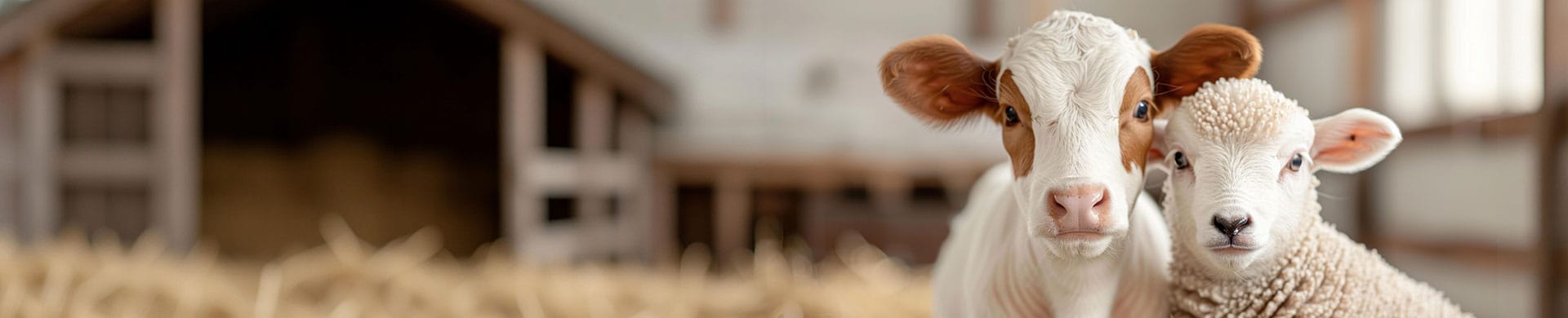
This image reflects the layered nature of responsible livestock management. The value of probiotics for antibiotic reduction comes from strengthening routine control points, not from replacing professional veterinary decisions.
Start With a Responsible Reduction Goal
Before choosing products, define what “reduction” means on the farm. A responsible goal may be fewer repeated digestive challenges, more consistent manure appearance, smoother transition periods, or better survival in a sensitive stage. These are management goals. They are not promises that a herd or flock will never need medication.
The best targets are specific and observable. For example, a poultry operation may focus on early brooding stability. A calf unit may focus on weaning stress. An aquaculture site may focus on water stability and appetite during weather changes. When probiotics for antibiotic reduction are connected to a clear risk period, the program is easier to manage and easier to evaluate.
Build the Prevention Layers First
No probiotic program can compensate for poor hygiene, contaminated water, unbalanced rations, or overcrowding. These conditions create constant pressure on the animal and on the farm team. A prevention plan should first remove obvious stressors, then use microbial tools to support gut and environmental balance.
| Program layer | Practical control point | Why it matters |
| Water | Line cleaning, flow checks, water quality review | Water is often the fastest route for stress or contamination |
| Feed | Ingredient consistency, storage, mixing accuracy | Unstable feed makes digestive response harder to predict |
| Housing | Ventilation, bedding, stocking density | Stress increases susceptibility to health challenges |
| Records | Daily observations and treatment logs | Data shows whether the plan is working |
| Probiotics | Correct strain type, timing, and delivery method | Supports the biology targeted by the program |
This layered view is important because probiotics for antibiotic reduction work best when they support conditions that already allow animals to perform normally. If the basic environment is unstable, results become inconsistent and difficult to interpret.
Where Probiotics Fit in the Program
In livestock systems, probiotics are commonly used to support gut microbial balance, feed transition tolerance, and normal digestive function. The exact role depends on the animal species, production stage, delivery route, and product formulation. A farm using poultry nutritional probiotic solutions may focus on early digestive development, while ruminant or aquatic programs require different priorities.
Probiotics for antibiotic reduction should be matched to the farm’s main stress point. If the challenge is post-weaning digestive instability, timing around feed transition matters. If the challenge is litter or manure pressure, environmental management may matter more. If the issue is inconsistent intake, palatability and delivery consistency become central.

Product consistency also matters. A practical probiotics for antibiotic reduction plan should consider storage, mixing, compatibility with feed processing, and how the product will be delivered by the farm team every day.
How to Implement Without Disruption
Start with one defined group and one defined objective. Trying to change every barn, pond, or ration at once makes it hard to understand what is working. A focused start allows the manager to compare observations before and after the program while keeping other variables as stable as possible.
- Choose the animal group or stage with the clearest need.
- Record the current baseline for feed intake, manure, mortality, medication events, and visible stress signs.
- Train staff on storage, dosage handling, and delivery timing.
- Keep veterinary treatment protocols active and clear.
- Review observations weekly during the first implementation period.
The simplest programs are usually the most reliable. Probiotics for antibiotic reduction should not create extra confusion for the people feeding animals or checking barns. If the handling process is difficult, compliance will fall and the program will lose value.
Metrics Worth Tracking
A farm does not need complicated software to learn from a probiotic program. It needs consistent records. The most useful measurements are the ones already connected to daily decisions: treatment events, culling reasons, mortality, feed intake, growth uniformity, manure condition, water use, and notes from staff observations.
When evaluating probiotics for antibiotic reduction, avoid judging from one good week or one difficult batch. Livestock systems naturally fluctuate. Weather, raw materials, disease exposure, and stocking density all influence outcomes. Look for repeated patterns across comparable groups and keep veterinary input involved when health outcomes change.
Stewardship Principles That Keep the Program Safe
Responsible antimicrobial stewardship is not anti-treatment. It is a disciplined approach to using antimicrobials only when they are needed and under appropriate guidance. The World Organisation for Animal Health provides global context on antimicrobial resistance and the importance of coordinated action across animal health systems.
For that reason, probiotics for antibiotic reduction should be positioned as a prevention support tool. They do not diagnose disease, replace vaccines, or remove the need for a veterinarian. They can, however, help farms build a more resilient daily management system when used with realistic expectations and good records.
Conclusion
Probiotics for antibiotic reduction make the most sense when they are part of a serious prevention plan. The farms that benefit most are usually the ones that define the problem, stabilize the basics, choose products that fit the animal stage, and track outcomes honestly. Reduction should never mean delayed treatment. It should mean fewer preventable problems and better decisions when animals need help.
FAQ
What are probiotics for antibiotic reduction?
Probiotics for antibiotic reduction are microbial feed or water tools used within prevention programs. They support gut balance and resilience, but they do not replace diagnosis, vaccines, hygiene, or veterinary treatment when animals are sick.
Can probiotics replace antibiotics on a farm?
No. Probiotics for antibiotic reduction are not antibiotic substitutes. They may help reduce avoidable health pressure, but medically necessary treatment should remain available under veterinary guidance and farm health protocols.
Which animals can use probiotics for antibiotic reduction?
Probiotics for antibiotic reduction can be considered for poultry, swine, ruminants, aquaculture, and other livestock when the product, delivery method, and management objective match the species and production stage.
How should a farm measure success?
Track treatment events, mortality, feed intake, manure quality, growth uniformity, and staff observations. Probiotics for antibiotic reduction should be judged by repeated patterns, not one isolated batch or short-term result.
When is the best time to start?
Start before predictable stress periods such as brooding, weaning, transport, ration changes, or environmental shifts. Probiotics for antibiotic reduction work best when the baseline and goal are defined before implementation.