

Оглавление
Введение
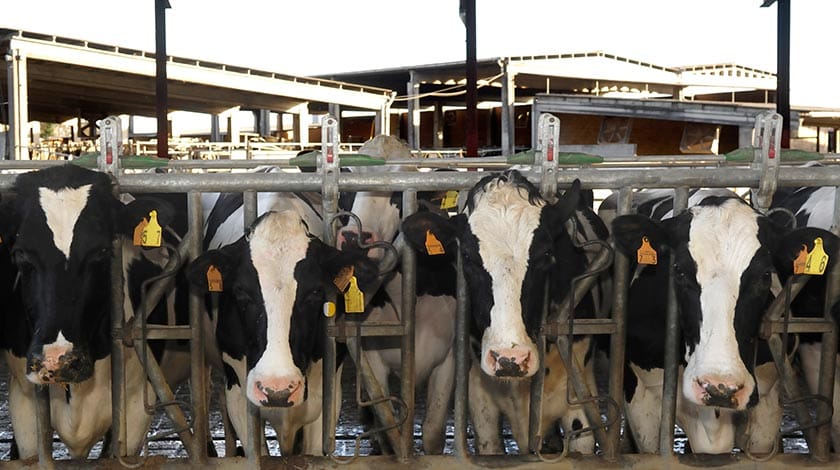
Ruminant probiotics are microbial feed additives intended to support the complex fermentation environment of the rumen or the wider digestive tract. Products may contain bacteria, yeast, or combinations of organisms, and their function depends on the strain, dose, diet, animal class, and production conditions.
A rumen contains a dynamic community that converts plant material into nutrients the animal can use. Abrupt diet changes, inconsistent feed delivery, sorting, heat stress, limited water, and poor forage quality can disturb that community. This guide explains how to select and evaluate ruminant probiotics within a disciplined feeding program.
Cattle performance depends on a stable relationship between forage, concentrate, water, feeding behavior, and rumen microorganisms. Ruminant probiotics are most useful when they support that system rather than distract from ration and bunk-management problems.
The Rumen Environment Probiotics Must Enter
The rumen is anaerobic, warm, and continuously influenced by feed intake, saliva, passage rate, and fermentation products. Fibrolytic bacteria, starch users, protozoa, fungi, and other microorganisms occupy different niches. A probiotic organism must therefore be selected for a defined function rather than described only as beneficial.
Some ruminant probiotics are used to support fiber-digesting populations, help maintain fermentation stability, or interact with oxygen entering through feed and water. Yeast products and bacterial products are not interchangeable, and viable live cultures differ from fermentation metabolites.
The ration remains the main driver. Particle size, physically effective fiber, rapidly fermentable carbohydrate, protein balance, mineral supply, feed freshness, and mixing accuracy shape rumen conditions every day.
Production Situations Where They May Be Considered
Ruminant probiotics are often evaluated during transition periods, ration changes, heat stress, early lactation, transport, regrouping, or adaptation to higher-concentrate diets. The objective should be realistic and measurable, such as supporting intake consistency or reducing variation between animals.
For growing and finishing cattle, bunk management is critical. Irregular delivery and large day-to-day intake swings can create fermentation instability that no additive can fully correct. For dairy cattle, sorting, overcrowding, feed access, and time away from the pen influence results.
| Situation | Main management risk | Probiotic decision |
|---|---|---|
| Fresh cows | Rapid metabolic and ration transition | Choose evidence relevant to transition animals and protect feed access |
| Heat stress | Lower intake and altered behavior | Prioritize cooling, water, and ration stability |
| High-concentrate feeding | Rapid fermentation and intake variation | Control adaptation and bunk delivery before adding support |
| Low-quality forage | Limited digestible substrate | Analyze forage and reformulate rather than expecting microbes to create nutrients |
How to Select Ruminant Probiotics
Start with the exact animal group and ration. Evidence from calves, dairy cows, or feedlot cattle should not be treated as identical. Product documentation should identify microbial species or strain, viable count, intended use, storage conditions, and compatibility with feed processing.
- Define one production objective before comparing products.
- Look for trials using similar cattle, diets, and stress conditions.
- Confirm whether counts are guaranteed through shelf life.
- Check whether the product is live, inactive, or a fermentation product.
- Review mixing, pelleting, mineral-carrier, and water compatibility.
A farm exploring ruminant nutritional probiotics should connect the claimed function to the actual ration and management challenge. More organisms or more species do not automatically mean a better match.

Ruminant probiotics must arrive alive when viability is part of their intended function. Controlled production, protective packaging, and clear storage instructions are therefore practical quality markers.
Inclusion, Mixing, and Daily Feeding
Distribute ruminant probiotics uniformly in the total mixed ration, supplement, or other approved carrier. Very low inclusion materials may require a premix step. Confirm mixer loading order, mixing time, scale accuracy, and ingredient placement.
Store the product away from heat and moisture, close opened packaging, and use stock rotation. If a live culture is added to liquid feed or water, verify the allowable holding time and compatibility with sanitizers.
Consistency matters. Skipped days, variable hand dosing, or inaccurate feed calls can obscure results. Record the actual amount delivered, not only the amount planned.
Designing a Useful On-Farm Evaluation
Collect baseline information before introducing ruminant probiotics. Depending on the objective, records may include dry-matter intake, milk yield and components, average daily gain, feed conversion, manure consistency, sorting, rumination, health events, and removals.
- Use comparable pens or periods and document all ration changes.
- Track forage dry matter frequently so delivered nutrients remain consistent.
- Record heat, crowding, water availability, and feed refusals.
- Keep product lot and storage records.
- Review enough time to cover normal biological variation.
Avoid changing several additives at once. If the farm must make multiple changes, evaluate the combined program honestly. Work with the herd veterinarian and nutritionist when interpreting health or performance outcomes.
Calves, Young Stock, and Responsible Expectations
Young ruminants have a developing digestive system. Product choice for calves should consider whether the intended action is in the lower gut, the developing rumen, or both. Colostrum management, milk hygiene, housing, bedding, ventilation, water, and starter feed remain fundamental.
Ruminant probiotics do not treat infectious disease and should not delay diagnosis of diarrhea, respiratory disease, poor intake, or dehydration. Follow veterinary guidance and local feed regulations.
The FAO dairy production resources place feeding within a larger animal-management system. That integrated perspective is essential when assessing any microbial additive.
Заключение
Ruminant probiotics can support rumen and digestive stability when a documented organism is matched to the animal, ration, and production objective. Their value is easiest to judge on farms with consistent feed delivery, analyzed forage, adequate water, good cooling, and reliable records. Select carefully, protect viability, feed uniformly, and measure repeatable outcomes instead of expecting a probiotic to correct structural management problems.
ЧАСТО ЗАДАВАЕМЫЕ ВОПРОСЫ
What are ruminant probiotics?
They are microbial feed additives, including selected bacteria or yeasts, intended to support rumen fermentation or digestive microbial balance.
Can ruminant probiotics replace effective fiber?
No. Cattle still need a correctly formulated ration with suitable fiber, particle size, energy, protein, minerals, and consistent delivery.
When are ruminant probiotics commonly evaluated?
Transition, heat stress, transport, ration adaptation, early lactation, and other periods associated with changes in intake or fermentation.
How should they be stored?
Follow the label, protect live products from heat and moisture, close packaging, rotate stock, and verify compatibility with feed processing.
How can a farm assess results?
Choose one objective and track relevant intake, production, growth, rumination, manure, health, and feed-management records across comparable groups.