

Table of Contents
A manure fermentation starter is used to guide microbial activity during manure treatment. The aim is to make the process more controlled, more predictable, and easier to manage on a farm. It is not a substitute for basic manure handling or environmental responsibility.
The value of a manure fermentation starter depends on conditions. Moisture, air, carbon source, pile size, temperature, mixing, and timing all influence the result. When these basics are ignored, fermentation can become inconsistent and odor pressure may increase.
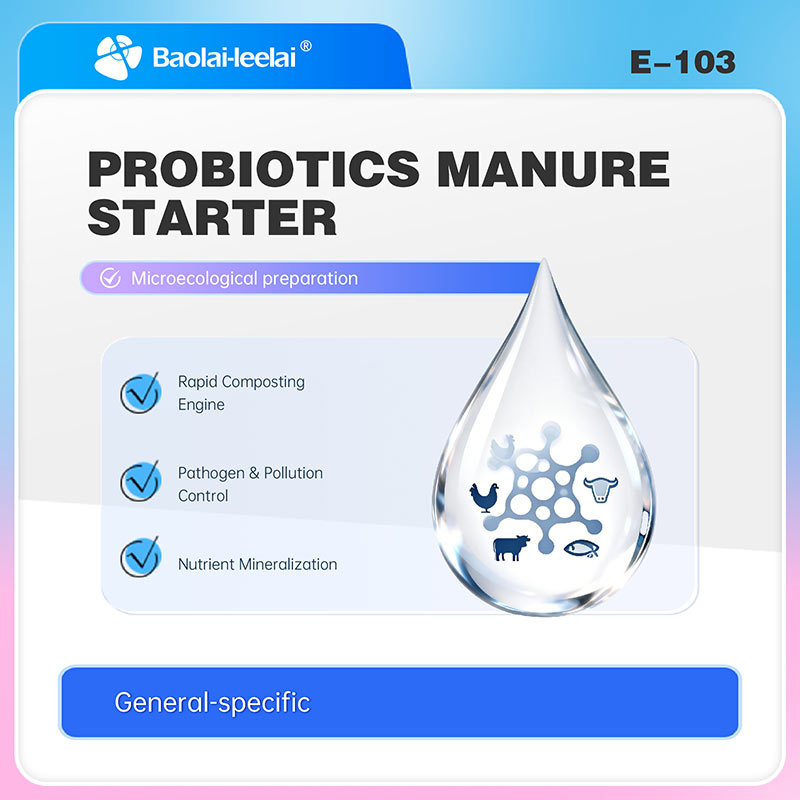
This image is relevant because a manure fermentation starter must be used as part of a controlled process, not simply added to unmanaged waste material.
Define the Fermentation Purpose
Before starting, define the purpose. Some farms want to reduce odor pressure, stabilize manure before field use, improve handling, or reduce the risk of unmanaged decomposition. Each goal may require slightly different attention to moisture, aeration, and timing.
A manure fermentation starter should be selected and applied with that purpose in mind. Clear goals also make it easier to judge whether the process is moving in the right direction.
Prepare Materials Correctly
Manure composition varies by species, bedding, feed, water leakage, and collection method. Material that is too wet, too compacted, or mixed with excessive foreign matter can be difficult to ferment evenly. Preparation matters before the starter is applied.
| Control point | What to check | Why it matters |
| Moisture | Too wet or too dry conditions | Microbial activity needs balance |
| Structure | Compaction and porosity | Air movement supports aerobic activity |
| Carbon source | Bedding or bulking material | Carbon helps balance the process |
| Mixing | Even starter distribution | Uneven mixing creates uneven fermentation |
| Timing | Turning and treatment period | The process needs enough time to stabilize |
This checklist helps a manure fermentation starter program stay practical. The product works inside a process, and the process must be managed.
Control Moisture, Air, and Temperature
Moisture is one of the most important controls. Too much water limits air movement and may increase odor. Too little water slows microbial activity. Aeration and turning help create a more uniform process and reduce anaerobic pockets.
Temperature is another useful signal. A warming pile can indicate microbial activity, but the pattern should be monitored rather than assumed. A manure fermentation starter program should include regular observation, especially during the early treatment period.

This second image supports the manure fermentation starter topic because manure treatment and environmental microbial management are closely connected on livestock farms.
Connect Odor Control With Process Quality
Odor control depends on more than fragrance or masking. It is connected to moisture, oxygen, pile structure, and microbial balance. If conditions encourage anaerobic breakdown, odor pressure can rise even when a starter has been added.
Baolai-Leelai provides E-103 Manure Fermentation Starter for manure treatment programs that need a defined microbial tool within a controlled farm process.
Use Records for Repeatable Results
The FAO livestock and environment resources highlight the connection between animal production and environmental management. On the farm, records help make manure treatment repeatable.
- Record manure source and bedding type.
- Track moisture adjustment and mixing date.
- Monitor odor, temperature, and turning schedule.
- Note weather conditions during outdoor treatment.
- Compare results across batches before changing the program.
A manure fermentation starter plan becomes stronger when each batch teaches the farm something. Records prevent the team from repeating the same mistakes when material, season, or housing conditions change.
For farms using seasonal manure treatment, the same manure fermentation starter process should be reviewed under different weather conditions. Rain, heat, and bedding changes can alter moisture and pile structure. A repeatable checklist helps staff adjust the process without guessing, especially when new workers are responsible for mixing or turning.
Conclusion
A manure fermentation starter can support cleaner, more predictable manure treatment when it is used with good preparation and process control. Manage moisture, air, structure, temperature, and timing first. Then use records to refine the program so each batch becomes easier to manage than the last.
FAQ
What is a manure fermentation starter?
A manure fermentation starter is a microbial product used to guide manure treatment. It supports controlled fermentation when moisture, air, mixing, and timing are managed properly.
Can it remove all odor?
No. A manure fermentation starter can support odor management, but odor also depends on moisture, oxygen, pile structure, bedding, and handling practices.
What moisture level is best?
The right moisture depends on material and process design. A manure fermentation starter works poorly when manure is extremely wet, compacted, or too dry for microbial activity.
Should the pile be turned?
Turning often helps improve air distribution and temperature uniformity. A manure fermentation starter program should include turning when the process design requires aeration.
How should results be judged?
Track odor, temperature, texture, moisture, treatment time, and handling quality. A manure fermentation starter should be judged by repeatable batch results, not one observation.