

A pecuária moderna não é mais apenas alimentar mais os animais Trata-se de ajudar os animais a digerir melhor, crescer de forma mais constante, resistir ao estresse e manter um ambiente intestinal mais saudável com menos insumos desnecessários É por isso que os probióticos da alimentação animal se tornaram uma parte importante dos programas de nutrição pecuária.
Para granjas avícolas, granjas de suínos, operações de ruminantes e sistemas de aquicultura, os probióticos são cada vez mais usados para apoiar a saúde intestinal, melhorar a eficiência alimentar, reduzir a pressão do odor e ajudar as granjas a avançar em direção a uma produção mais sustentável, quando adequadamente selecionados e aplicados, os probióticos de ração animal podem se tornar uma ferramenta prática para melhorar tanto o desempenho animal quanto o manejo da fazenda.
Índice
O que são probióticos para ração animal?
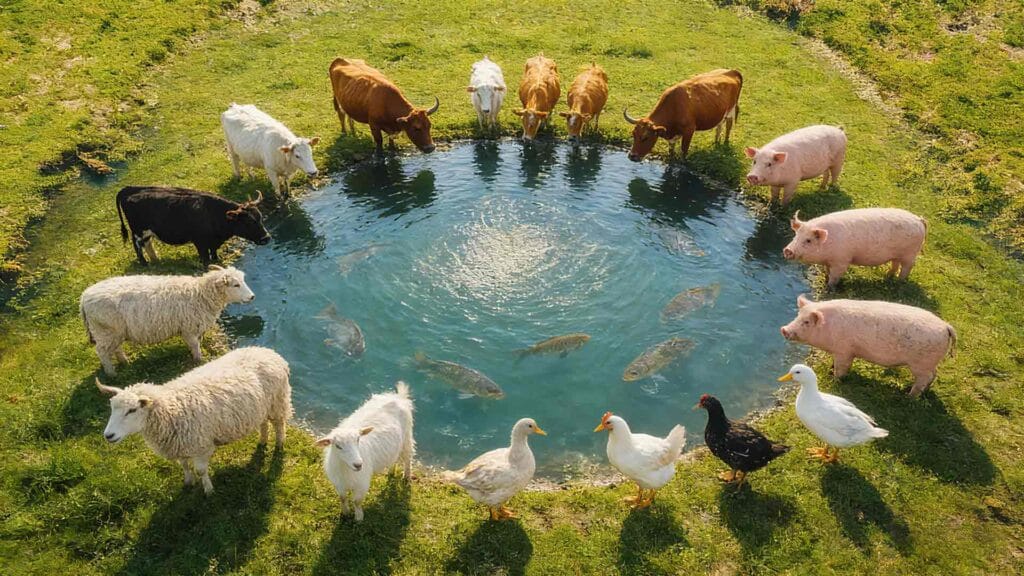
Os probióticos para ração animal são microrganismos vivos benéficos adicionados à ração animal, água potável ou programas de nutrição agrícola. Seu principal papel é ajudar a equilibrar a microbiota intestinal, apoiar a digestão e melhorar a capacidade do animal de usar nutrientes da ração.
Na produção pecuária, o intestino não é apenas um órgão de digestão Também está intimamente ligado com a imunidade, o desempenho do crescimento, a resposta ao estresse e a resistência a doenças Quando o ambiente microbiano intestinal é estável, os animais geralmente mostram melhor ingestão de ração, absorção de nutrientes mais eficiente, equilíbrio imunológico mais forte e crescimento mais estável.
As estirpes probióticas comuns utilizadas na nutrição animal incluem
Bacillus subtilis
Bacillus licheniformis
Lactobacillus plantarum
Saccharomyces cerevisiae
Pediococcus pentosaceus
Bacillus amyloliquefaciens
Bacillus velezensis
Diferentes cepas têm diferentes funções Algumas são melhores na produção de enzimas e digestão de rações Alguns ajudam a inibir bactérias nocivas Alguns suportam resposta imune Outros são mais adequados para controle de odores, resistência ao estresse ou regulação da qualidade da água na aquicultura.
É por isso que um sistema profissional de produtos de Microecologia Animal geralmente não depende de uma única cepa Ele usa combinações microbianas direcionadas para diferentes cenários agrícolas.
Por que os probióticos para alimentação animal são importantes na agricultura moderna
A pecuária enfrenta vários desafios práticos hoje Os custos com ração continuam altos, a pressão da doença é complexa, a redução de antibióticos está se tornando uma tendência global e as fazendas devem prestar mais atenção ao controle ambiental Os probióticos para ração animal podem ajudar a enfrentar esses desafios de dentro para fora.
Em vez de tratar apenas problemas visíveis depois que eles aparecem, os probióticos se concentram na construção de uma base microbiana mais saudável no trato digestivo e no ambiente agrícola.
Para as explorações agrícolas, isto significa que os probióticos para alimentação animal podem ajudar a apoiar
Melhor digestão alimentar
Flora intestinal mais estável
Melhoria do desempenho do crescimento
Risco de diarreia reduzido
Diminua a pressão de amônia e odor
Melhor equilíbrio imunológico
Melhor resistência ao estresse
Dependência reduzida de antibióticos
Produção mais saudável e sustentável
O valor chave não é apenas a promoção do crescimento.“ O valor mais importante é ajudar os animais a manter um ambiente interno estável, especialmente durante períodos estressantes, como desmame, trocas de ração, vacinação, transporte, estresse térmico, pressão de doenças ou más condições ambientais.
Como funcionam os probióticos no intestino animal
Os probióticos para ração animal funcionam através de vários mecanismos Entender esses mecanismos ajuda as fazendas a escolher o produto certo em vez de usar probióticos cegamente.
1. Exclusão Competitiva de Microrganismos Nocivos
Os probióticos benéficos podem colonizar a superfície intestinal e ocupar o espaço ecológico Isso torna mais difícil para as bactérias nocivas se ligarem, multiplicarem e perturbarem o ambiente intestinal.
Por exemplo, quando as bactérias benéficas formam uma barreira microbiana estável, elas podem ajudar a reduzir a oportunidade de as bactérias patogênicas dominarem o intestino.
2. Produção de metabólitos benéficos
Muitas cepas probióticas produzem ácidos orgânicos, enzimas, bacteriocinas, polissacarídeos e outros metabólitos Essas substâncias podem ajudar a diminuir o pH intestinal, melhorar a digestão, inibir bactérias nocivas e apoiar a função da barreira intestinal.
3. melhor repartição da alimentação
Alguns probióticos secretam enzimas digestivas, como protease, amilase, celulase e lipase Essas enzimas ajudam a quebrar proteínas, amidos, fibras e gorduras, facilitando a absorção de nutrientes pelos animais.
Isto é especialmente valioso quando as explorações agrícolas pretendem melhorar a conversão alimentar e reduzir o desperdício de alimentos para animais.
4. Apoio à saúde da barreira intestinal
Uma barreira intestinal saudável ajuda a proteger os animais de substâncias nocivas e desequilíbrio microbiano Os probióticos podem apoiar o reparo da mucosa intestinal, a integridade epitelial e a regulação imunológica.
Para animais jovens, isto é particularmente importante porque o seu sistema intestinal ainda está em desenvolvimento e é mais sensível ao stress.
5. Modulação Imunológica
Os probióticos não simplesmente “boost immunity” de uma forma áspera Um bom programa probiótico suporta o equilíbrio imunológico Ele ajuda os animais a responder melhor aos desafios, reduzindo a pressão inflamatória desnecessária.
É por isso que os probióticos são frequentemente usados em programas de imunidade avícola, imunidade intestinal suína, imunidade de ruminantes e imunidade aquática.
Benefícios dos Probióticos para Alimentação Animal por Cenário Agrícola
Diferentes sistemas pecuários têm problemas diferentes Uma granja avícola pode se concentrar no crescimento, na qualidade da casca do ovo e no controle de amônia Uma granja suína pode se concentrar na saúde intestinal dos leitões, na eficiência alimentar e na resistência ao estresse As fazendas de ruminantes podem se preocupar mais com o equilíbrio ruminal, o controle de amônia e a utilização de rações As fazendas de aquicultura devem gerenciar tanto a saúde animal quanto o ambiente aquático.
| Cenário Agrícola | Problemas Comuns | Como os Probióticos para Alimentação Animal ajudam |
|---|---|---|
| Aves | Má conversão alimentar, excrementos soltos, odor de amônia, estresse imunológico | Apoie o equilíbrio da flora intestinal, melhore o uso de nutrientes, reduza a pressão do odor, apoie a defesa imunológica |
| Suínos | Diarreia do leitão, estresse de desmame, engorda lenta, alto custo de alimentação | Apoie a mucosa intestinal, melhore a ingestão de ração, melhore a eficiência alimentar e fortaleça a resistência ao estresse |
| Ruminantes | Desequilíbrio de rumen, desperdício de nitrogênio, odor de amônia, má utilização de ração | Apoie o equilíbrio microbiano do rúmen, melhore a eficiência do nitrogênio, reduza a pressão da amônia |
| Aquicultura | Flutuação da qualidade da água, pressão de Vibrio, baixo esforço do oxigênio, recuperação deficiente da alimentação | Apoie a saúde intestinal, melhore a qualidade da água, reduza a resposta ao estresse, estabilize a microecologia da lagoa |
Probióticos Avícolas: Crescimento, Saúde Intestinal e Controle de Odores
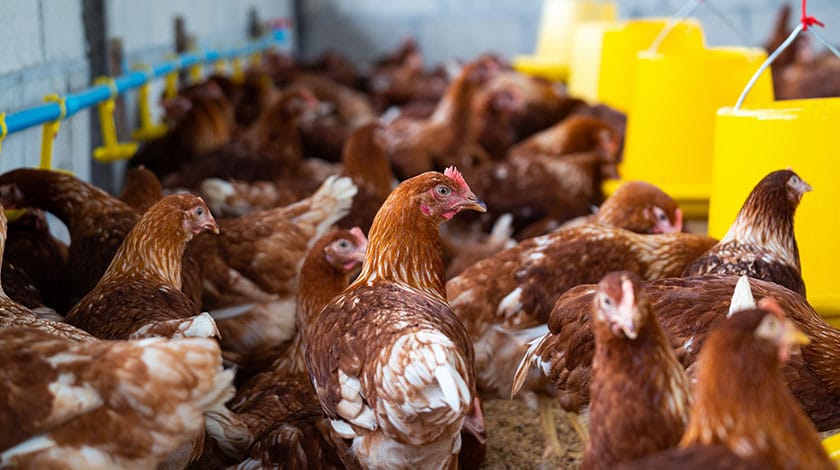
A produção avícola é altamente sensível à saúde intestinal Quando a flora intestinal fica desequilibrada, as fazendas podem enfrentar excrementos soltos, má conversão alimentar, crescimento lento, imunidade mais fraca e odor mais forte de amônia no aviário.
Probióticos avícolas pode ser usado para várias direções:
Apoio ao crescimento e à nutrição
Defesa intestinal anti-infecciosa
Controle de odores e redução de amônia
Suporte imunitário específico
Melhoramento imunitário não específico
Suporte de qualidade Eggshell
Melhoria do ambiente agrícola
Por exemplo, a Probiótico Nutricional de Aves pode apoiar a ingestão de ração, crescimento, equilíbrio da flora intestinal, eficiência alimentar, redução de amônia e controle de odor É especialmente adequado para fazendas que desejam um melhor crescimento diário e um ambiente doméstico mais limpo.
Para fazendas que enfrentam pressão intestinal mais forte, Probióticos Anti-Infeciosos Aves pode apoiar o controle de patógenos, reparo intestinal, equilíbrio imunológico, redução de antibióticos, eficiência alimentar e qualidade da casca do ovo.
Se a amônia e o odor são os principais problemas, Probióticos de controle de odores de aves pode apoiar a regulação intestinal, reduzir o nitrogênio fecal e a produção de gases nocivos e melhorar a qualidade do ar do celeiro a partir da fonte.
Essa segmentação de produtos é importante porque as granjas avícolas não têm todas o mesmo problema Um bom programa probiótico deve corresponder ao verdadeiro desafio da granja.
Probióticos Suínos: Eficiência Alimentar, Imunidade Intestinal e Resistência ao Estresse

Na suinocultura, a saúde intestinal está diretamente ligada à eficiência alimentar e à estabilidade do rebanho. Leitões, porcos em crescimento e porcos de engorda enfrentam diferentes desafios digestivos e imunológicos.
Problemas comuns incluem:
Estresse desmamado
Diarréia leitão
Baixa ingestão de ração
Desempenho de engorda deficiente
Alta taxa de conversão alimentar
Inflamação intestinal
Sensibilidade ao estresse
Pressão de odor e amônia
Probiótico de desempenho suíno é adequado para fazendas que desejam melhorar a ingestão de ração, o crescimento da engorda, a eficiência alimentar, a saúde intestinal, a resistência ao estresse, a redução de amônia e o controle de odores.
Probiótico de imunidade intestinal suína é mais adequado para suporte de saúde imunológica de rotina Pode apoiar a imunidade da mucosa, defesa antioxidante, resistência ao estresse, eliminação de toxinas, oligoelementos e saúde do rebanho.
Probióticos Anti-Infeciosos Suínos concentre-se mais na defesa intestinal Eles podem apoiar o reparo da mucosa intestinal, o equilíbrio da flora, o controle de patógenos, o cuidado com a diarréia do leitão, o suporte antioxidante e a saúde do fígado-rim.
Para explorações suinícolas de grande escala, os probióticos não devem ser tratados como um único produto de emergência. Eles são mais valiosos quando usados como parte de um programa rotineiro de gestão da saúde e do desempenho intestinal.
Probióticos de Ruminantes: Equilíbrio de Rumen e Eficiência de Nitrogênio
Os ruminantes dependem fortemente da atividade microbiana do rúmen Um rúmen saudável ajuda bovinos, ovinos, caprinos e animais leiteiros a quebrar as fibras, converter a ração em nutrientes utilizáveis e manter uma digestão estável.
Quando o equilíbrio ruminal é perturbado, as fazendas podem ver redução da eficiência alimentar, crescimento instável, baixo desempenho de leite ou carne, maior pressão de amônia e condição animal mais fraca.
Os probióticos ruminantes podem apoiar:
Balanço microbiano do rumen
Digestão alimentar
Utilização de nitrogênio
Defesa intestinal
Saúde digestiva animal jovem
Defesa imunitária
Controle amônia
Redução de odor de celeiro
Por exemplo, Probióticos Anti-Infeciosos Ruminantes pode ajudar a construir o suporte da barreira intestinal, inibir bactérias nocivas, melhorar a eficiência alimentar, apoiar o ganho, controlar o odor e proteger animais jovens, como bezerros e cordeiros.
Probióticos de imunidade de ruminantes pode apoiar a resposta imune de bovinos e ovinos, níveis de anticorpos, resistência ao estresse e defesa de doenças.
Para questões relacionadas ao nitrogênio, os produtos Urease Nanobody podem apoiar o equilíbrio de nitrogênio no rúmen, melhorar o uso de nitrogênio, reduzir o desperdício de ração, o risco de amônia, o odor de celeiro e a agricultura ecológica.
Isto é importante porque os resíduos de azoto são uma questão económica e ambiental na produção de ruminantes.
Probióticos da Aquicultura: Saúde Intestinal e Ambiente Hídrico

A aquicultura é diferente da pecuária em terra porque os animais e a água compartilham o mesmo ambiente de produção Um problema intestinal pode afetar a alimentação e a sobrevivência, enquanto a má qualidade da água pode aumentar rapidamente o estresse e a pressão da doença.
Os probióticos da aquicultura podem ser utilizados para
Condicionamento de água de lagoa
Decomposição de lodo inferior
Controle Vibrio
Recuperação do estresse de peixes e camarões
Imunidade intestinal
Estabilização da cor da água
Redução de amônia e nitrito
Suporte de estresse de baixo oxigênio
Por exemplo, os produtos de Condicionador de Água com Bacillus e enzimas podem ajudar a equilibrar algas e bactérias, reduzir amônia, nitrito e H2 S, controlar cianobactérias e quebrar os resíduos da lagoa.
Probióticos modificadores de fundo da aquicultura pode ajudar a degradar as toxinas da lagoa, quebrar o lodo, cortar o odor, facilitar a acidificação do fundo, restaurar lagoas e estabilizar a qualidade da água.
Probiótico Anti-Stress os produtos podem ajudar peixes e camarões a reduzir o estresse no transporte e na mudança de água, apoiar o reparo intestinal, a proteção do muco, a recuperação da alimentação e a tolerância à hipóxia.
Probiótico Inibidor de Vibrio Aquático os produtos podem atingir o Vibrio prejudicial, melhorar a qualidade do fundo do lago, apoiar a proteção do muco, o equilíbrio intestinal e o controle do risco de doenças.
Na aquicultura, os probióticos não são apenas aditivos alimentares Eles fazem parte de um sistema mais amplo de gerenciamento de microecologia do corpo de água.
Probióticos para ração animal e redução de antibióticos
Muitas fazendas modernas estão procurando maneiras de reduzir a dependência rotineira de antibióticos Os probióticos de ração animal podem apoiar essa transição, mas devem ser entendidos corretamente.
Os probióticos não são iguais aos antibióticos Eles não funcionam substituindo diretamente todas as funções dos antibióticos Em vez disso, ajudam a criar um intestino e ambiente agrícola mais saudável, reduzindo as condições que permitem que os problemas se tornem graves.
Uma estratégia prática de redução de antibióticos inclui frequentemente
Melhor biossegurança
Água limpa e ração
Nutrição estável
Tensão reduzida
Gestão da flora intestinal
Controle ambiental
Suporte probiótico direcionado
Monitoramento de rotina
Os probióticos para ração animal são especialmente úteis quando as fazendas desejam passar do tratamento reativo para o manejo preventivo.
Como escolher os probióticos certos para ração animal
Nem todo produto probiótico é adequado para cada fazenda Antes de escolher um produto, as fazendas devem considerar o animal-alvo, o estágio de produção, o problema principal, a composição da cepa, a contagem viável, a estabilidade e o método de aplicação.
1. combine o produto com a espécie animal
Aves, suínos, ruminantes e animais aquáticos têm sistemas digestivos muito diferentes Um probiótico projetado para o crescimento de aves pode não ser a melhor solução para a recuperação do estresse do camarão ou o equilíbrio de nitrogênio ruminal.
2. verifique a direção funcional
Um bom produto deve definir claramente a sua função Por exemplo:
Desempenho de crescimento
Imunidade intestinal
Suporte anti-infeccioso
Controle de odor
Recuperação de estresse
Controle de qualidade da água
Controle de amônia de rum
O posicionamento claro torna o produto mais fácil de usar e de avaliar.
3. Olhe para a combinação de cepas
As fórmulas probióticas multi-estirpes podem fornecer funções mais amplas, mas apenas quando as estirpes são cientificamente combinadas A mistura aleatória de estirpes não garante melhores resultados.
4. considere o método de aplicação
Alguns produtos são adicionados à ração Alguns são usados na água potável Alguns são aplicados às lagoas Alguns são usados para desodorização ambiental O método de aplicação afeta o desempenho do produto.
5. evite mistura inadequada
Os produtos microbianos vivos podem ser sensíveis a desinfetantes fortes, certos antibióticos, ácidos fortes, álcalis fortes ou processamento em alta temperatura As fazendas devem seguir as instruções de uso com cuidado.
Microecologia Animal como Solução Completa
Os probióticos para ração animal fazem parte de um conceito maior: Microecologia Animal.
A Microecologia Animal concentra-se no uso de microrganismos benéficos para regular o ambiente microbiano interno e externo dos sistemas de pecuária e aquicultura. Inclui saúde intestinal animal, suporte imunológico, eficiência alimentar, controle de odores, qualidade da água e gerenciamento da pressão de doenças.
Um sistema completo de produtos de Microecologia Animal pode abranger:
Probióticos avícolas
Probióticos suínos
Probióticos ruminantes
Probióticos de aquicultura
Produtos de imunidade intestinal
Probióticos anti-infecciosos
Probióticos de controle de odor
Condicionadores água
Probióticos modificadores inferiores
Probióticos de recuperação de estresse
Esta é uma abordagem mais forte do que promover um único produto para todos os problemas Ele permite que fazendas e distribuidores selecionem soluções direcionadas para diferentes cenários de produção.
Guia Prático de Seleção de Produtos
| Meta Agrícola | Direção recomendada do produto | Tipo de produto adequado |
|---|---|---|
| Melhorar o crescimento das aves | Apoio à nutrição e eficiência alimentar | Probiótico Nutricional de Aves |
| Reduzir o odor de aviário | Desodorização interna e controle de amônia | Probióticos de controle de odores de aves |
| Apoiar a engorda de suínos | Ingestão de ração, crescimento, eficiência alimentar | Probiótico de desempenho suíno |
| Melhorar a estabilidade imunológica dos suínos | Imunidade da mucosa e resistência ao estresse | Probiótico de imunidade intestinal suína |
| Proteger vitelos e borregos | Defesa intestinal de ruminantes jovens | Probióticos Anti-Infeciosos Ruminantes |
| Melhorar o uso de nitrogênio no rúmen | Balanço de nitrogênio do rumin e controle de amônia | Urease Nanobody |
| Estabilize a água da lagoa | Balanço de amônia, nitrito, H2 S e algas | Condicionador Água |
| Reduza o estresse de peixes e camarões | Suporte ao estresse de transporte, mudança de água e hipóxia | Probiótico Anti-Stress |
| Controle a pressão Vibrio | Controle direcionado de Vibrio e equilíbrio intestinal | Probiótico Inibidor de Vibrio Aquático |
Melhores práticas para usar probióticos para ração animal
Para obter melhores resultados, as fazendas devem aplicar probióticos como parte de um sistema de manejo completo.
Use Probióticos de forma consistente
Os probióticos geralmente funcionam melhor quando usados regularmente, especialmente durante os principais períodos de estresse O uso único pode não construir totalmente um ambiente microbiano estável.
Aplicar Antes de Eventos de Stress
Para vacinação, desmame, transporte, transição alimentar, estresse térmico ou mudança de água, o uso de probióticos antes do evento de estresse é muitas vezes mais eficaz do que esperar até que os problemas se tornem graves.
Manter uma boa alimentação e qualidade da água
Os probióticos não podem compensar totalmente a alimentação mofada, a má qualidade da água ou a má higiene. Eles têm melhor desempenho em um sistema bem gerenciado.
Combine com nutrição direcionada
Alguns produtos combinam probióticos com ácidos orgânicos, aminoácidos, enzimas, oligoelementos, extratos de plantas ou leveduras Essas combinações podem suportar funções intestinais e imunológicas mais completas.
Monitore o desempenho da fazenda
As fazendas devem acompanhar a ingestão de ração, taxa de crescimento, conversão alimentar, mortalidade, taxa de diarréia, qualidade da água, nível de odor e comportamento animal Isso ajuda a avaliar se o programa probiótico está funcionando.
Conclusão
Os probióticos para ração animal estão se tornando uma ferramenta essencial na pecuária moderna porque apoiam a saúde intestinal, a absorção de nutrientes, o equilíbrio imunológico, a resistência ao estresse, a eficiência alimentar e a melhoria ambiental.
Para aves, suínos, ruminantes e sistemas de aquicultura, os probióticos podem ajudar as fazendas a resolver diferentes problemas por meio de soluções microbianas direcionadas Os melhores resultados vêm da escolha do produto certo para a espécie certa, estágio de produção e desafio agrícola.
Um sistema completo de Microecologia Animal permite que fazendas e distribuidores vão além do pensamento de produto único e construam programas microbianos práticos para animais mais saudáveis, ambientes mais limpos e produção mais sustentável.
Perguntas frequentes
O que são probióticos de ração animal?
Os probióticos para ração animal são microrganismos benéficos usados em rações, água potável ou sistemas agrícolas para apoiar a saúde intestinal, digestão, imunidade e desempenho de produção.
São probióticos de ração animal adequado para aves?
Sim. Os probióticos para aves podem apoiar o crescimento, o equilíbrio da flora intestinal, a eficiência alimentar, a defesa imunológica, a qualidade da casca do ovo, a redução de amônia e o controle de odores.
Como os probióticos para ração animal ajudam a suinocultura?
Os probióticos suínos podem apoiar a ingestão de ração, o crescimento da engorda, a saúde intestinal, a resistência ao estresse, a defesa intestinal dos leitões e uma melhor eficiência alimentar.
Os probióticos podem reduzir o uso de antibióticos na pecuária?
Os probióticos podem apoiar estratégias de redução de antibióticos, melhorando o equilíbrio intestinal, a estabilidade imunológica e o gerenciamento da saúde da fazenda Eles devem ser usados como parte de um programa agrícola completo.
Qual é a diferença entre probióticos de ração animal e Microecologia Animal?
Os probióticos animais são produtos microbianos específicos A Microecologia Animal é um sistema de solução mais amplo que abrange a saúde intestinal, imunidade, eficiência alimentar, controle de odores, qualidade da água e manejo ambiental.
Os probióticos da aquicultura podem melhorar a qualidade da água
Sim. Os probióticos da aquicultura podem ajudar a equilibrar a microecologia do lago, reduzir a amônia e o nitrito, quebrar o lodo, melhorar a qualidade do fundo e apoiar a saúde dos peixes e camarões.