

Índice
Introdução
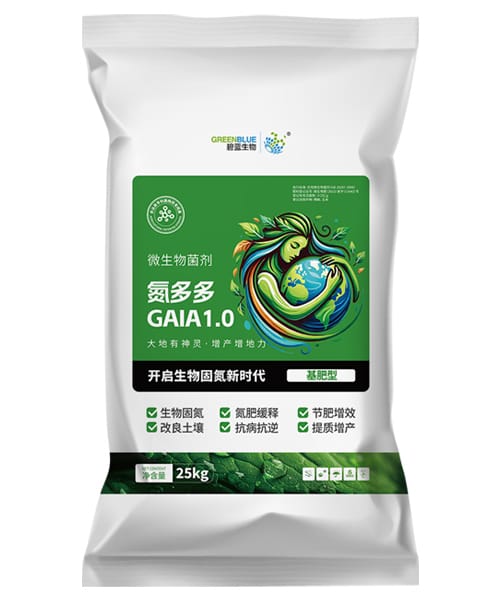
Granular urea fertilizer is one of the most widely used nitrogen fertilizer forms in modern crop production. It is valued because it contains a high concentration of nitrogen, is easy to transport, can be applied with common fertilizer spreading equipment, and fits many crop nutrition programs.
But using granular urea fertilizer effectively is not just about spreading it on the field. Its real performance depends on timing, soil moisture, placement, temperature, microbial activity, crop growth stage, and nitrogen management strategy. When applied correctly, it can support strong vegetative growth, leaf development, protein formation, and crop yield potential. When applied poorly, nitrogen loss can reduce efficiency and weaken the expected result.
For farms, fertilizer formulators, and agricultural service providers, the keyword granular urea fertilizer reflects a practical need: how to use nitrogen more efficiently while supporting soil fertility and crop performance.
What Is Granular Urea Fertilizer?
Granular urea fertilizer is a solid nitrogen fertilizer made into relatively uniform granules. Urea itself is an organic compound that is commonly used as a nitrogen source in agriculture. The Wikipedia page for urea explains that urea contains a high proportion of nitrogen, which is why it has become important in fertilizer production.
Granular urea fertilizer is usually larger and harder than prilled urea. This makes it easier to blend with other granular fertilizers and more suitable for mechanical spreading. Its physical form also helps reduce dust during handling and improves flowability in many fertilizer systems.
The main value of granular urea fertilizer comes from its nitrogen concentration. Nitrogen is one of the most important nutrients for plant growth. It supports chlorophyll formation, amino acid synthesis, enzyme activity, and overall crop vigor. However, nitrogen is also highly dynamic in soil, which means it can transform, move, or be lost if not managed correctly.
Why Nitrogen Matters in Crop Nutrition
Nitrogen is a core nutrient for plant growth because it is directly involved in leaf development, photosynthesis, protein production, and plant metabolism. Crops with enough available nitrogen often show stronger green color, better canopy development, and improved growth momentum.
However, nitrogen demand changes during different crop stages. Early growth requires enough nitrogen for root and leaf development. Rapid vegetative growth usually creates higher nitrogen demand. Later stages may require more balanced nutrition, depending on crop type and yield goals.
Granular urea fertilizer helps provide nitrogen in a concentrated form, but the plant cannot use urea directly in its original form. After application, urea must go through chemical and biological transformations in the soil. That is why soil condition matters so much.
A good nitrogen program should not focus only on how much fertilizer is applied. It should also consider how much nitrogen becomes available to crops at the right time.
How Granular Urea Fertilizer Works in Soil
After granular urea fertilizer is applied to soil, it begins to dissolve when moisture is present. Then urease enzymes help convert urea into ammonium. This process is called hydrolysis. Ammonium can be held by soil particles or transformed further into nitrate through nitrification.
Both ammonium and nitrate can be used by plants, but they behave differently in soil. Ammonium is less mobile because it can attach to soil particles. Nitrate moves more easily with water, which can be useful for root uptake but also increases the risk of leaching under certain conditions.
The transformation process can be affected by temperature, moisture, soil pH, organic matter, microbial activity, and application method. If granular urea fertilizer remains on the soil surface for too long without rain, irrigation, or incorporation, some nitrogen may be lost through ammonia volatilization.
That is why urea fertilizer efficiency depends heavily on management. The same product can perform very differently under different field conditions.
Granular Urea Fertilizer vs Prilled Urea
Granular urea fertilizer and prilled urea both provide nitrogen, but their physical properties are different. These differences affect handling, blending, storage, and application.
| Factor | Granular Urea Fertilizer | Prilled Urea |
|---|---|---|
| Tamanho de partícula | Usually larger and more uniform | Usually smaller and lighter |
| Hardness | Generally stronger granules | More fragile in some handling conditions |
| Dust level | Lower dust risk when handled properly | Can create more dust during handling |
| Blending | Easier to blend with granular fertilizers | May separate more easily in some blends |
| Spreading | More suitable for many mechanical spreaders | Can be affected by wind and spread pattern |
| Storage behavior | Often better flowability | May cake more easily if moisture control is poor |
Granular urea fertilizer is often preferred when uniform spreading, blending, and handling performance are important. Prilled urea can still be useful, but its smaller particle size may create more challenges in some fertilizer systems.
The better choice depends on application method, storage condition, blend design, and crop nutrition plan.
Main Benefits of Granular Urea Fertilizer
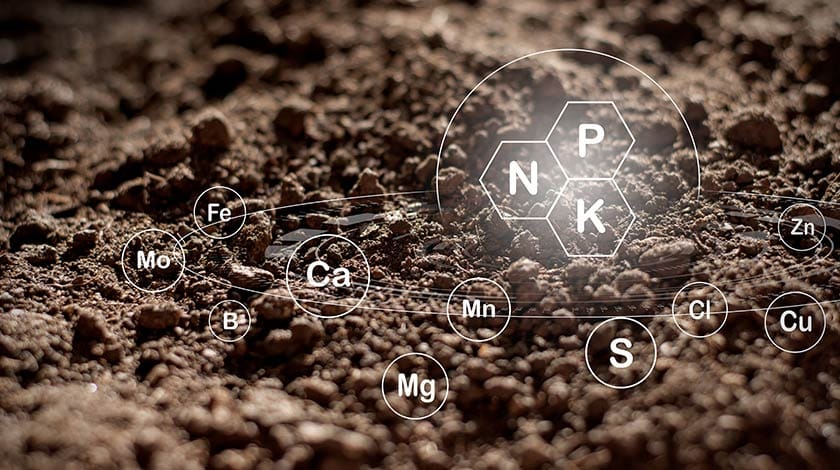
Granular urea fertilizer offers several practical benefits in crop production.
First, it provides high nitrogen concentration. This allows a large amount of nitrogen to be delivered with less material compared with lower-analysis fertilizers.
Second, it has good handling characteristics. The granular form is easier to spread, store, transport, and blend with other fertilizer materials when moisture is properly controlled.
Third, it supports flexible application. Granular urea fertilizer can be used before planting, during early crop growth, or as part of topdressing programs, depending on crop needs and field conditions.
Fourth, it can fit different crop systems. It is used in cereals, vegetables, fruit crops, forage systems, and many field crops where nitrogen demand is important.
Fifth, it can be integrated with soil health strategies. When combined with good soil management, microbial activity, organic matter improvement, and balanced fertilization, granular urea fertilizer can support both short-term crop nutrition and long-term fertility planning.
Practical Application Methods for Different Crop Systems
Granular urea fertilizer can be applied in several ways. The best method depends on crop type, growth stage, soil condition, weather, irrigation, and equipment.
Broadcast application is common for field crops. The fertilizer is spread across the soil surface. This method is simple, but nitrogen loss risk can increase if urea stays on the surface without incorporation or moisture.
Incorporation can improve efficiency. Mixing granular urea fertilizer into soil helps reduce volatilization and places nitrogen closer to the root zone. This method is useful before planting or during soil preparation.
Band placement is another option. Fertilizer is placed in a concentrated band near the crop root zone. This can improve nutrient access, but placement must be managed carefully to avoid seed or root injury.
Topdressing is often used during active crop growth. The goal is to match nitrogen supply with crop demand. Timing matters because nitrogen applied too early may be lost, while nitrogen applied too late may not support the most important growth stages.
In irrigated systems, water management can help move dissolved nitrogen into the soil. However, excessive water can also increase nitrate movement beyond the root zone. The key is balance.
Factors That Affect Nitrogen Efficiency
The efficiency of granular urea fertilizer depends on many field conditions. Soil moisture is one of the most important. Urea needs moisture to dissolve and begin transformation, but too much water can increase nitrogen movement and loss.
Temperature also matters. Warmer soil usually speeds up urea hydrolysis and microbial transformation. Cooler soil slows the process, which may delay nitrogen availability.
Soil pH can influence ammonia volatilization. Higher surface pH conditions may increase the risk of nitrogen loss when urea is left on the soil surface.
Organic matter affects nitrogen cycling because it supports microbial life and nutrient retention. Soils with better structure and biological activity often manage nutrients more effectively.
Application timing is another major factor. Granular urea fertilizer should be applied when crops can use nitrogen efficiently. Applying too much nitrogen long before crop demand may reduce efficiency.
The most important principle is this: nitrogen efficiency is not only a fertilizer issue. It is a soil, crop, water, and management issue.
How Soil Microbiology Influences Urea Fertilizer Performance
Soil microorganisms play a key role in nitrogen transformation. They influence how urea is converted, how ammonium becomes nitrate, and how nutrients move through the soil system. A biologically active soil can support more dynamic nutrient cycling.
This is where fertilizer management connects with soil microecology. Granular urea fertilizer provides nitrogen, but soil biology helps determine how that nitrogen behaves after application. Strong microbial activity, good soil structure, and balanced organic matter can support better nutrient transformation and root-zone function.
For agricultural production systems, Microecologia Agrícola solutions can support soil biological activity, nutrient use, and sustainable crop management. This is especially relevant when farms want to combine mineral fertilizer input with better soil ecosystem performance.
Technical development also matters in microbial agriculture. Strain selection, fermentation process control, field adaptability, and product consistency all influence the value of microbial solutions. Baolai-Leelai’s força de pesquisa científica supports microbial product development and application-focused innovation for agriculture and animal nutrition.
Common Mistakes When Using Granular Urea Fertilizer

One common mistake is leaving granular urea fertilizer on the soil surface for too long under dry or warm conditions. Without rainfall, irrigation, or incorporation, nitrogen loss risk may increase.
Another mistake is applying too much nitrogen at one time. Crops can only use nitrogen according to their growth demand. Excess nitrogen may be lost or create nutrient imbalance.
A third mistake is ignoring soil testing. Without soil information, it is difficult to know how much nitrogen is needed or how urea should fit with other nutrients.
Some programs also overlook phosphorus, potassium, sulfur, and micronutrients. Nitrogen is important, but crop growth depends on balanced nutrition.
Poor storage is another issue. Granular urea fertilizer should be kept dry and protected from moisture. If it absorbs moisture, it may cake, lose flowability, or become harder to apply evenly.
The final mistake is treating fertilizer as a stand-alone solution. Better crop performance comes from combining fertilizer, soil health, water management, crop monitoring, and good field timing.
Conclusão
Granular urea fertilizer is a practical and powerful nitrogen source for crop production. Its high nitrogen content, good handling properties, and flexible application methods make it useful in many farming systems. However, its real value depends on how well it is managed.
To improve performance, application should match crop demand, soil condition, moisture, temperature, and field timing. Incorporation, irrigation, split application, and careful storage can all help improve nitrogen efficiency.
The future of granular urea fertilizer use is not only about applying nitrogen. It is about using nitrogen smarter. When fertilizer management works together with soil biology, microbial activity, and balanced crop nutrition, granular urea fertilizer can support healthier crops, better nutrient use, and more sustainable soil fertility.
Perguntas frequentes
What is granular urea fertilizer?
Granular urea fertilizer is a solid nitrogen fertilizer made into uniform granules for easier handling, blending, storage, and spreading. It provides a concentrated nitrogen source for crop growth and is commonly used in field crops, vegetables, forage systems, and other agricultural applications.
How does granular urea fertilizer work in soil?
After application, granular urea fertilizer dissolves with moisture and is converted by urease enzymes into ammonium. It can later transform into nitrate through microbial activity. These nitrogen forms can support crop growth, but efficiency depends on soil moisture, temperature, pH, and timing.
Is granular urea fertilizer better than prilled urea?
Granular urea fertilizer often has larger, stronger, and more uniform particles than prilled urea. This can improve blending, spreading, and handling. Prilled urea can still be useful, but granular urea is often preferred when mechanical spreading and fertilizer blends are important.
When should granular urea fertilizer be applied?
Granular urea fertilizer should be applied when crops can use nitrogen efficiently. It may be used before planting, incorporated into soil, or applied as topdressing during active growth. Timing should consider crop stage, soil moisture, rainfall or irrigation, and nitrogen demand.
How can nitrogen loss from granular urea fertilizer be reduced?
Nitrogen loss can be reduced by incorporating urea into soil, applying before suitable moisture, avoiding long surface exposure, using split applications, improving soil organic matter, and matching fertilizer timing with crop demand. Good storage also helps maintain product quality.