

Índice
What Are Cattle Feed Additives?
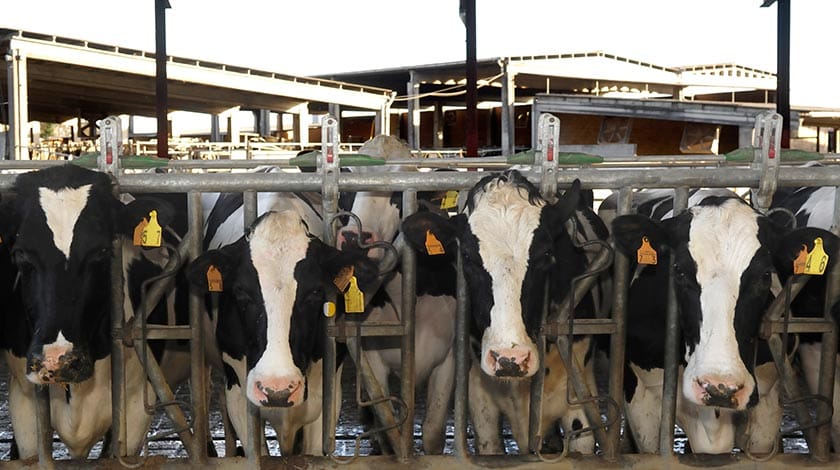
Cattle feed additives are functional ingredients added to cattle diets to support specific feeding goals. They are not the main feed materials, such as hay, silage, corn, soybean meal, or concentrate. Instead, they are used in controlled amounts to help cattle make better use of the ration.
In practical cattle nutrition, a feed additive may be used to support rumen balance, feed intake stability, nutrient digestion, immune resilience, or feed efficiency. The right additive should match the animal stage, feed formula, farm conditions, and production target.
For farms, feed mills, and distributors, cattle feed additives are not simply “extra ingredients.” They are part of a more precise feeding strategy. When selected correctly, they can help improve consistency in digestion, growth, milk production, and overall herd performance.
Why Rumen Health Comes First in Cattle Nutrition
Cattle are ruminants, and their digestive performance depends heavily on rumen fermentation. The rumen contains a complex microbial ecosystem that helps break down fiber-rich feed and convert nutrients into energy sources the animal can use. This is why rumen stability is one of the most important goals when choosing cattle feed additives.
When rumen conditions are stable, cattle are more likely to maintain good feed intake, better digestion, and consistent production. When rumen balance is disturbed, you may see reduced intake, loose manure, lower feed efficiency, slower growth, or unstable milk output.
Because of this, feed additives for cattle should not be selected only by product category. A good product should support the actual digestive needs of cattle under real feeding conditions, especially during diet changes, high-concentrate feeding, weaning, transport, heat stress, or intensive production periods.
Main Types of Cattle Feed Additives
There are several categories of cattle feed additives, and each one has a different function.
Probiotics and microbial feed additives are used to support beneficial microorganisms in the digestive system. In ruminant diets, they are often connected with rumen balance, intestinal stability, nutrient use, and stress resistance.
Yeast culture is commonly used to support rumen fermentation and feed intake stability. Enzymes may help improve the breakdown of certain nutrients, depending on the feed ingredients and formulation. Buffers are often used in feeding systems where rumen pH stability is important, especially when cattle receive higher levels of concentrate.
Minerals and vitamins support essential nutrition, metabolism, reproduction, immunity, and growth. Plant-based functional additives may support palatability, digestion, or general feeding performance, depending on the formulation.
A balanced cattle feed additive program may include one or more of these categories, but the final choice should always be based on your ration and feeding goal.
Why Probiotic and Microbial Additives Are Important
Probiotic and microbial feed additives are especially relevant for cattle because they work with the animal’s natural digestive system. Instead of only adding a chemical or nutritional component, microbial additives are designed to support the biological environment inside the rumen and intestine.
For beef cattle, dairy cattle, calves, and sheep, the ruminant-focused formulations under Produtos especializados em ruminantes fit feeding programs where rumen balance, feed intake, nutrient utilization, and digestive stability are key concerns.
A well-designed probiotic cattle feed additive may support animals during feed transition, high-energy feeding, environmental stress, weaning, or production pressure. In these situations, the goal is not only faster performance, but also more stable digestion and better long-term feeding efficiency.
Por exemplo, E-401 Ruminante Probiótico Nutricional is positioned for ruminant nutrition programs where feed intake, rumen stability, nutrient digestion, and growth consistency are important practical goals.
Dairy Cattle vs. Beef Cattle: Different Additive Needs
Dairy cattle and beef cattle both need strong rumen function, but their feeding priorities are different.
For dairy cattle, the main concerns often include dry matter intake, milk production consistency, rumen stability, transition-period support, and metabolic balance. A small disruption in rumen fermentation may influence milk output, body condition, or feed intake.
For beef cattle, the key goals are usually feed conversion, growth consistency, rumen adaptation, and finishing performance. In high-energy diets, rumen balance becomes more important because rapid fermentation can increase digestive pressure.
Calves and young ruminants require another strategy. Their digestive systems are still developing, so feed additives may focus more on gut stability, early feed adaptation, and resilience during weaning.
This is why a single cattle feed additive formula may not fit every animal group. The product should match the animal’s age, production purpose, feed structure, and management conditions.
Comparison Table: Common Cattle Feed Additive Categories
| Additive Category | Main Function | Aplicação Comum | Buyer Focus |
| Probióticos | Support gut and rumen microbial balance | Beef cattle, dairy cattle, calves | Strain quality, viable count, stability |
| Yeast culture | Support rumen fermentation and intake consistency | Dairy and beef cattle | Product activity and feeding consistency |
| Enzimas | Help improve nutrient breakdown | Feed mills and formulated diets | Match enzyme type with feed ingredients |
| Buffers | Support rumen pH stability | High-concentrate feeding systems | Use with proper fiber management |
| Minerals and vitamins | Support essential nutrition and metabolism | All cattle stages | Follow ration requirements |
| Plant-based additives | Support palatability or functional nutrition | Selected feeding programs | Check active ingredients and consistency |
How to Choose the Right Cattle Feed Additives
Before choosing cattle feed additives, start with the feeding problem or production goal. Are you trying to support rumen health, improve feed efficiency, stabilize intake, strengthen immunity, improve growth consistency, or support dairy performance?
Next, check the animal group. Dairy cows, beef cattle, calves, and sheep may need different additive strategies. A product that works well in one stage may not be the best fit for another.
You should also review the ration. High-forage diets, high-grain diets, silage-based diets, and complete feed systems all create different rumen conditions. The additive should match the feed formula instead of being selected separately from it.
For microbial feed additives, product stability is especially important. A product must remain active during storage, transport, mixing, and feeding. If the activity is reduced before the product reaches the animal, the practical value will also be reduced.
Supplier support also matters. A reliable cattle feed additive supplier should help buyers understand product function, application method, storage requirements, dosage logic, and compatibility with the existing feed system.
Quality Factors Buyers Should Check
When sourcing cattle feed additives, quality control should be a priority. For farms, feed mills, and distributors, consistency is often more important than a single attractive claim.
Key factors to check include target animal, product function, active ingredients, microbial strain information, viable count, shelf life, storage requirements, packaging stability, and technical documentation.
For probiotic cattle feed additives, buyers should confirm whether the product is designed for ruminant digestion. Cattle have different digestive characteristics from poultry, swine, and aquaculture animals, so a suitable cattle product should match rumen physiology and feeding conditions.
Buyers should also avoid choosing products only by category name. Not all probiotics, enzymes, yeast products, or buffers perform the same way. The formulation, production process, stability, and application support behind the product make a major difference.
Application Tips for Better Feeding Results
Cattle feed additives work best when they are used consistently. Irregular use may reduce the expected result. The product should be mixed evenly into the feed so that cattle receive a stable amount each day.
Storage is also important. Microbial products should usually be protected from heat, moisture, and direct sunlight unless the supplier provides specific instructions. Feed mills should also check whether the additive is suitable for premixing, pelleting, or other processing conditions.
Do not expect one additive to solve every feeding problem. Rumen health also depends on forage quality, grain level, feeding frequency, water access, mineral balance, and overall farm management. Feed additives are most effective when they are part of a complete nutrition strategy.
Common Mistakes to Avoid
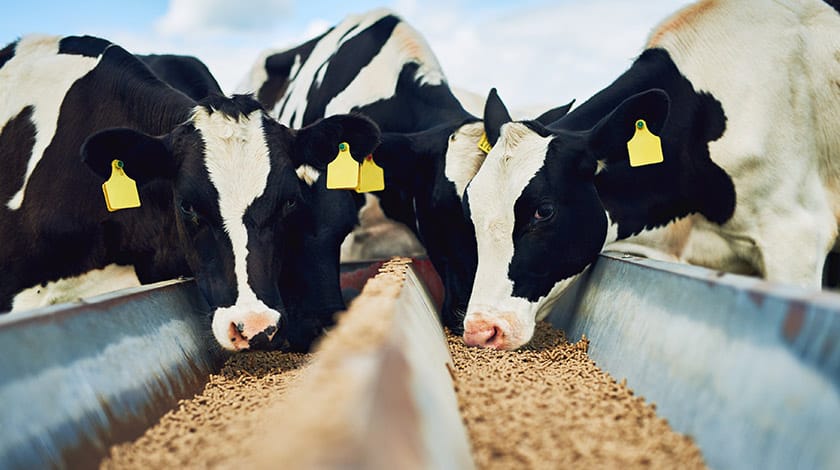
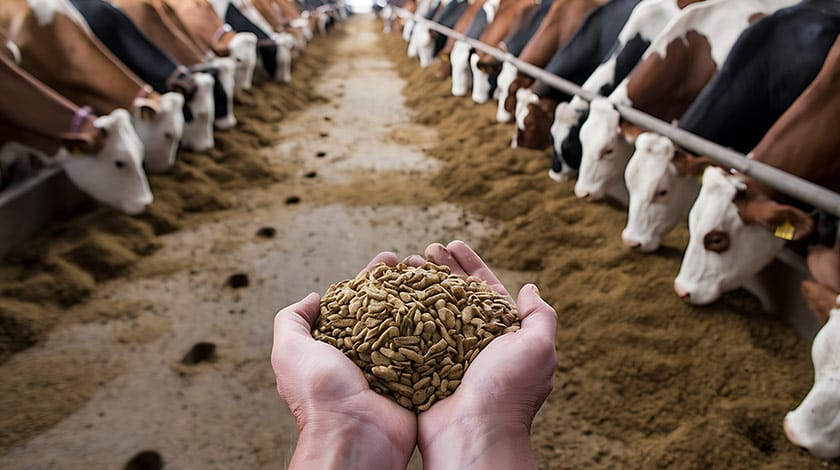
One common mistake is choosing cattle feed additives only by name. A popular category does not guarantee that the product fits your ration or animal stage.
Another mistake is ignoring the base diet. If the ration is poorly balanced, feed additives cannot fully correct the problem. Fiber quality, protein level, mineral balance, water intake, and feeding management all influence the final result.
Some buyers also focus only on a single specification, such as viable count. For probiotic feed additives, viable count is important, but strain selection, stability, delivery method, storage condition, and animal target are also essential.
A final mistake is expecting instant results. Feed additives should be evaluated over a reasonable feeding period, with attention to intake, manure condition, body condition, growth, milk consistency, and overall herd response.
Conclusão
Cattle feed additives are valuable tools for modern ruminant nutrition, but they should be selected carefully. The best product is not simply the most popular option; it is the one that matches your cattle, ration, production goal, and management conditions.
For beef cattle, dairy cattle, calves, feed mills, and distributors, probiotic and microbial feed additives can play an important role in supporting rumen health, feed digestion, intake stability, and long-term herd performance.
A practical selection process should focus on animal stage, ration type, product stability, strain quality, application method, and supplier technical support. When these factors are aligned, cattle feed additives can help build a more efficient, stable, and sustainable feeding program.
Perguntas frequentes
What are cattle feed additives used for?
Cattle feed additives are used to support digestion, rumen health, feed efficiency, immunity, and production stability. They do not replace forage or concentrate, but they help cattle use the diet more effectively when the ration and feeding management are properly designed.
Are probiotic feed additives suitable for cattle?
Yes. Probiotic feed additives can be suitable for cattle when they are designed for ruminant digestion and used correctly. They may support rumen microbial balance, nutrient utilization, feed intake stability, and stress resilience during diet changes or production pressure.
How do I choose cattle feed additives for beef cattle?
For beef cattle, focus on growth stage, feed conversion, rumen adaptation, and ration structure. A suitable additive should support digestion and intake consistency while matching the feeding program, especially in high-energy growing or finishing diets.
What should buyers check before sourcing cattle feed additives?
Buyers should check target animal, active ingredients, microbial strain information, viable count, shelf life, storage condition, application method, and supplier technical support. For feed mills and distributors, batch consistency and documentation are also important.
Can cattle feed additives improve feed efficiency?
Cattle feed additives may support feed efficiency by improving digestion, rumen fermentation, and nutrient utilization. Actual results depend on the base ration, animal condition, farm management, product quality, and correct application over a reasonable feeding period.
Need Help Choosing the Right Cattle Feed Additives?
If you’re unsure about which cattle feed additives are best for your ruminant nutrition program, our experts are here to help. Contact us today for a personalized consultation, and ensure your feed strategy is reliable, practical, and aligned with your herd goals. Don’t wait until feeding challenges affect performance—get in touch now to protect your business!